by Billy Sweet | Mar 5, 2014 | Chimney Maintenance
When the weather warms up, we tend to put our fireplaces and chimney systems out of mind. But before you shut your flue for the season, figuratively and literally, it’s beneficial to consider some spring chimney services that’ll help your chimney come back around to the cold months in the best shape possible.

It’s Springtime! Time to enjoy warm sunny days and let your chimney rest after enduring those cold grueling months of hard labor. Give it some spring chimney care.
So here’s something of a Spring Chimney Care Checklist to go over as your thoughts turn to T-shirts and garden blooms:
Spring Chimney Care Checklist From Billy Sweet Chimney Sweep
Ensure A Clean Chimney And A Non-stinky Spring
If you used your wood-burning fireplace all fall and winter, you doubtlessly have creosote built up in your flue. That’s just part of the equation with burning wood: You get heat, light and creosote. Some folks figure it’s best to just wait until next winter to get the chimney swept, since they’re less concerned about safety and fire hazards when not using the fireplace. But we can make some pretty strong arguments for the benefits of making a chimney sweeping appointment part of your spring chimney care checklist.
First, you’re getting that work done before the busy season, so you’ll have more options in terms of scheduling an appointment with Billy Sweet Chimney Sweep technicians, and most likely a faster turnaround time, too.
More than that, though, you’ll be improving the air in your home all spring and summer. Creosote build-up is one of the most common contributors to a stinky chimney. Creosote has a strong musty smell, and as the temperature and humidity rises, that smell can get stronger. So a spring-cleaned chimney, beyond being ready for winter ahead of time, makes your spring and summer that much more pleasant.
Check For Roof-related Damage
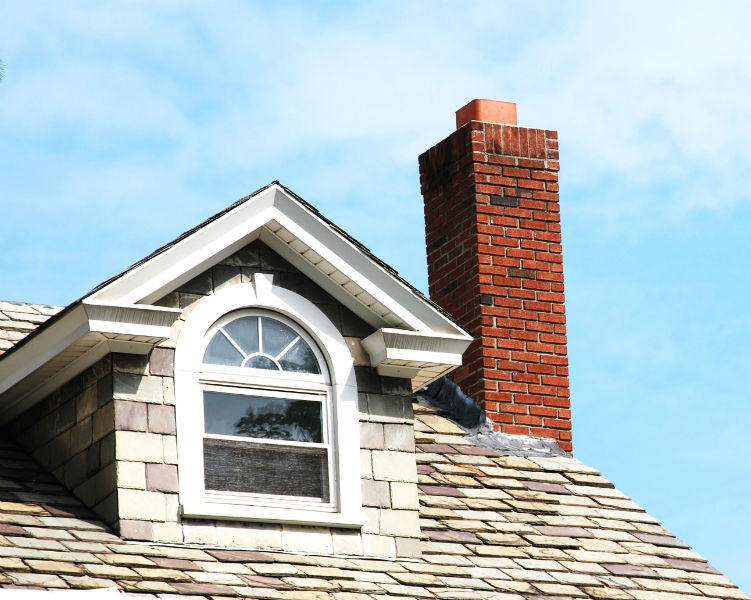
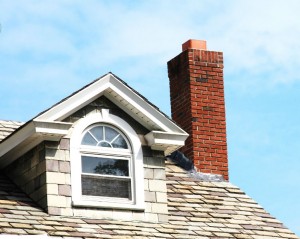
We all know that winter weather can take a toll on our roof, as well as the flashing where the chimney meets the roofline. Before we get into spring rains, it’s good to be aware of any flashing damage, since even something as small as caulking coming off can lead to a chimney leak.
Make Sure Animals Haven’t Moved In, And That They Won’t Be Able To
Some animals — including federally protected chimney swifts — are known for nesting in chimneys during the off-season. And when animals nest in your chimney, they bring along sounds, smells and debris that you certainly don’t want there. Inspecting your flue for nesting animals or signs of nesting animals is a smart thing to do. Preventing nesting animals, by having a quality chimney cap installed, is an even smarter thing to do.
Prep Your Masonry For Moisture
Moisture is, was and always will be the worst friend your chimney has. And during the wetter months, moisture gets a chance to give besting your chimney system’s defenses its all. There’s a lot you can do, though, to protect your system against moisture intrusion, including having Billy Sweet Chimney Sweep inspect your chimney crown and your flashing and having us apply a strong waterproofing sealant to protect your masonry.
You Can Get Through This Spring Chimney Checklist With Billy Sweet’s Help
You can get all of this spring chimney care accomplished — and more — by scheduling a chimney inspection and chimney sweeping appointment with Billy Sweet Chimney Sweep. During an inspection, we’ll check the system bottom to top and let you know if any problems are preventing your chimney from being protected and prepared for the next heating season. Just give us a call to schedule an appointment!
by Billy Sweet | Feb 17, 2014 | Chimney Maintenance, Fire Safety

Creosote can’t be prevented, but there are ways to minimize its build up and the effects it may have on your chimney and home, in general.
If you could get on your roof and look down into your chimney (we don’t recommend this), you’d see a lot of black. Wondering what that black element is inside your chimney that totally covers the inside? That’s what we call creosote and it can cause tremendous damage if taken for granted. It has all these harmful chemicals that gradually become highly corrosive and could cause fires to happen inside the chimney. Although the formation of creosote cannot be prevented, it is still best to try and minimize it.
What is Creosote?
Creosote is a highly combustible chemical product obtained by the distillation of tar. It is heavier compared to other chemical products and is famous for its antiseptic and preservative properties. When wood is burned, there is production of creosote. It sticks onto the walls of the chimney after combustion takes place in the fireplace. It is a result of incomplete combustion.
Creosote has two main types:
Generally, wood tar is known for its meat preservation purposes and is known to be nontoxic. It is also used to treat hardwood and softwood to keep them dry until such time. It has been used in the medical field as a laxative or for other purposes like as an antiseptic. Coal tar, on the other hand, contains highly toxic properties. That’s why it is exclusively used for preserving wood only.
Those are the intentional and industrial uses of creosote. It can also be found in blast furnaces, but in a chimney it is found in the flue because wood was not properly burned.
The Three Levels of Creosote Build up
When you have your chimney inspected and cleaned, sometimes our experts will need to do a more thorough cleaning and literal scraping. This happens when there is too much creosote in the chimney walls and, if left there to thicken, might cause bigger problems that will soon become a homeowner’s worst nightmare. This is why creosote build up is described in levels based on the texture, thickness and color.
The first level is still called soot because it has not yet fully developed into creosote. It’s described to be flaky and can be removed easily with a chimney sweeps’ brush. It is still reachable and does not need any special technical equipment.
The second level is already known to be creosote. It’s hard and is already the color brown or black. In this stage, our licensed sweep will have to use specially designed video cameras to check and see the extent of damage done by the creosote. There is now a need for a more durable brush to use in removing the creosote.
For the third and final level, the creosote is already very thick and is now known as glaze. There is no chance for it to completely be removed unless you destroy the entire structure of your chimney – something we all wouldn’t want to do. In this stage, the creosote is highly flammable and has a shiny black texture and with just one false move, you can say bye-bye to your hard-earned home. In this level, constant scraping is done to minimize the thickness. There is a need for bigger equipment and a specially-designed brush to use for scraping off the creosote.
The Risks
Some think that by having a broomstick, you can already remove the creosote. What we have to realize is that there are risks in trying to take matters into our own hands. The biggest risk is fire. It can spark up anytime and only trained professionals know what to do in case this happens and how to put it out before anyone gets hurt. So it’s always best to leave the dirty work to us.
With annual inspections and sweeping, your chimney will not have to endure the aftereffects of what creosote can do. Taking this important step will definitely add more years to its lifespan and the guarantee of a fully-functional, well-maintained chimney. You can contact our company, Billy Sweet Chimney Sweep, because we have the best trained professionals with the right amount of experience to show and prove to you that indeed, we can get the job done right.
by Billy Sweet | Feb 17, 2014 | Chimney Maintenance, Fire Safety

Before your certified chimney sweep comes, it’s good to know the different levels of inspection and what they do in each level.
While it is accurate to say that no two chimneys are the same, it used to also be that no two chimney inspections were the same. This meant that depending on who you hired to do your inspection and subsequent sweeping, the inspection process could be entirely different, with widely varying degrees of thoroughness. Thankfully, in January of 2000, the Chimney Safety Institute of America introduced three levels of chimney inspection and adopted them into code. This means that any chimney sweep who has been certified by the C.S.I.A. (as any sweep should be if he or she is working on your chimney) will conduct one of three levels of inspection according to exacting specifications.
The 3 Levels of Chimney Inspection
The C.S.I.A. has clearly outlined three levels of chimney inspection. Depending on the condition of your chimney and the dangers that exist inside, one of the technicians at Billy Sweet Chimney Sweep will be able to assess which inspection level your chimney warrants. Each inspection utilizes a closed circuit camera to gain a comprehensive look at the flue.
Level 1: The most basic (and most common) inspection looks at all “readily accessible” portions of the inside and outside of the flue, the heating appliance, and its connections.
Level 2: The next level of inspection is recommended when any changes have been made to the heating system. A Level 2 inspection will take a more in-depth look at the chimney and appliance and will include all parts of the chimney made accessible by attics, crawl spaces, and basements.
Level 3: The most comprehensive inspection of all, a Level 3 inspection involves the removal of some components of the chimney or the building to gain full access to the chimney. This inspection is recommended when a Level 2 inspection has indicated that there’s a hidden danger inside your flue.
Read more about chimney inspections here.
Billy Sweet Chimney Sweep is able to serve a wide swath of customers, as we have locations in Eastern Massachusetts, Southern New Hampshire, and Portland, Maine. Contact us today!
by Billy Sweet | Jan 28, 2014 | Chimney Maintenance
Have you ever wanted to know more about the mechanics of what takes place inside your chimney? Here is a useful graphic.
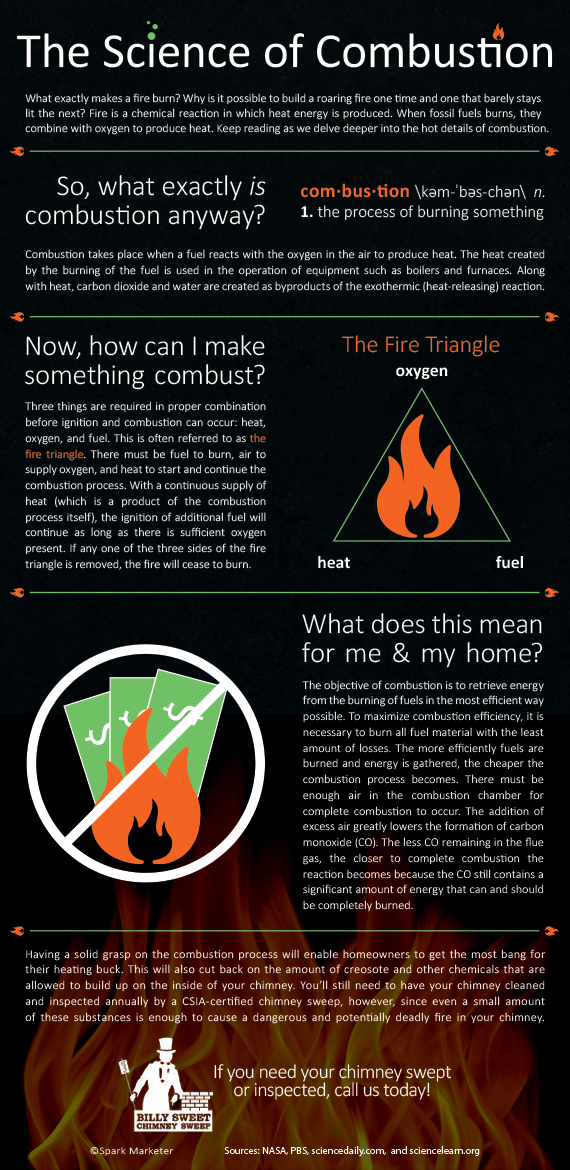
Explore the “why” and “how” of burning.
by Billy Sweet | Dec 31, 2013 | Chimney Maintenance
Chimney Caps: Your Best Defense from Water Leaks
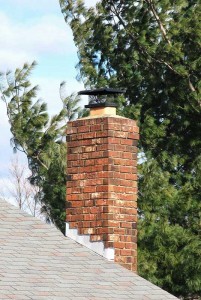 Chimney leaks are a common problem in any home especially during seasons when rain is pouring non-stop. Leaks happen when water seeps inside your chimney. They occupy the little openings and cracks in the masonry walls and some go all the way down to the chimney flues and other major parts. A typical rainy day isn’t something to get all jumpy and panicky about, but if the problem is left unfixed, it will eventually cause a bigger problem for you in the long run.
Here at Billy Sweet Chimney Sweep, we want to thoroughly discuss with you the problem on leaks. Because this problem in particular is the main source of a lot of major problems in the house like carbon monoxide poisoning, molds and the gradual destruction of your chimney walls.
Preventing Leaks with a Chimney Cap
The main reason why leaks happen is the lack of having a chimney crown and chimney cap. They are your first and ultimate line of defense in protecting your chimney. They prevent external factors from getting in, most especially water which could damage your chimney’s walls and overall structure. This is the best way to waterproof your chimney and fireplace. Installing a chimney cap will definitely do the trick and will absolutely help your chimney be more efficient and it will last you more years than expected.
It’s always best to seek professional help in installing the chimney caps. It’s a no-no to do it yourself because before we even install a chimney cap or crown, we still have to inspect and survey the chimney for any other damage or repair it may need. We at Billy Sweet Chimney Sweeps make sure that your chimney is protected from any leaks, blockages or any occurrence of that sort. You might spend a few extra dollars but rest assured, it will be money well spent.
by Billy Sweet | Dec 10, 2013 | Chimney Maintenance
What’s so hot, bright red, and brings a jolly man into your home to deliver gifts to children all over the world? What also can have your whole home in danger within minutes? You got it, your fireplace and chimney. They are made up of many parts that function together to make one working unit. Whether you have a masonry fireplace or a factory-built structure, it is important that you maintain your chimney properly by having an annual sweep and inspection. If you ever have any questions, call up our friends at Billy Sweet Chimney Sweep.
Your chimney works well because all the parts are clean and able to ventilate all harmful gases out and heat in.
Types of Fireplaces
First, you must know what kind of fireplace you have. A masonry fireplace is the more traditional unit, with a firebox built of individual bricks and a brick chimney that sits on top of the roof. These structures are massive and weigh several tons. They will last a long time and require little maintenance other than the recommended yearly inspection. A prefabricated is different in both the materials used and the appearance. They are more modern looking and are built of metal. These units must be installed as they come in their set to not risk being unsafe. These units require much more attention and damage much more quickly.
The Inside of Your Fireplace
Now that you know about the outside of your chimney, let’s get a little deeper and learn about what goes on in the inside. Chimney crowns are important for protection because they eliminate water damage. This is important because when chimneys experience contact with water they can begin to mold or have mortar deterioration, causing the whole structure to begin to weaken. The flue and its liner should be working at top efficiency to make sure that exhaust gases are able to leave the home and reduce any kind of flammable debris from accumulating. The smoke chamber is also important because it is the part of the unit that compresses byproduct of combustion into the smaller space to eliminate any back draft. Chimney dampers help with regulating the electricity, because they make sure you do not lose any energy when the fire is not in use. If you ever find yourself experiencing problems within your chimney you should always call for assistance to make sure there is nothing seriously wrong that could harm you, your family, or your home.