by Billy Sweet | Jul 22, 2014 | Chimney Maintenance, chimney sweep, damaged chimney, damaged masonry, spalling, Uncategorized
Did you know your chimney could sweat? Did you know that this process is actually very harmful to your chimney? Well now that it has been brought up, you must learn all the facts. When the bricks of your chimney sweat, spalling can start to occur. If you feel like this could be happening with your chimney, call the professionals at Billy Sweet Chimney Sweep.
What is chimney spalling and how is it caused?
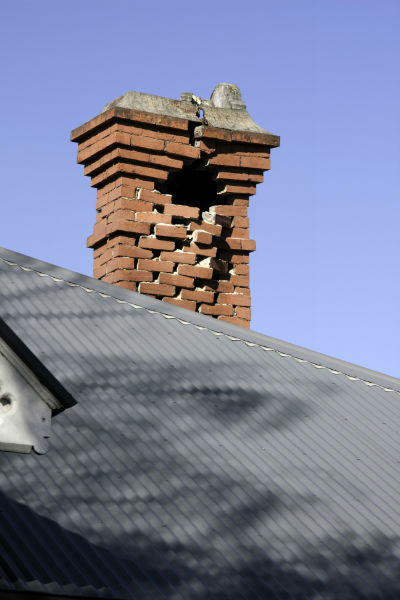
Spalling is what happens when the bricks or stones on your masonry chimney start to come off in flakes or start to go missing because of water penetration. One of the first signs is when you find random bricks on the ground or on your roof. Often times the main cause of spalling is when the water absorbed in the bricks from precipitation freezes and thaws. This can be worsened by the condensation of flue gases in liners that are not the right size, or gaps and cracks in the interior mortar joints. Also, spalling is made more prominent when extra water enters the interior by way of the chimney chase. Softer types of bricks are more likely to have moisture penetration, but are often used over harder types of bricks because they are more cost-friendly.
The chimney will be one of the first places that will show that it has damage since it is constantly exposed to the elements. The spalling will start with the top portions but once one part of the chimney starts to spall the whole inside has already been damaged. These bricks must be replaced since they are permanently damaged.
How can you prevent spalling?
There is no complete way to protect your chimney from water damage, but there are a few things that you can do to help. First, you need to have your chimney waterproofed. Your chimney technician can do that on any dry day after they sweep. The layer of sealant will need about six hours to dry so it is important to plan ahead. If you live somewhere where it rains often, you might look into having a second coat applied. Chimney caps are also another great way to help keep water out, as well as animals and leaves, but must be properly installed to be safe.
by Billy Sweet | Jul 15, 2014 | Chimney Maintenance

Water should’t be allowed to seep inside your chimney. Many chimney-related problems start with water intrusion.
A lot of what we do for our clients at Billy Sweet Chimney Sweep roots in prevention. We sweep your chimney regularly to prevent excess creosote build-up and potential fire hazards. We install chimney caps to prevent rain and snow from diving right into your flue opening. We apply waterproofing sealant to your masonry to prevent excess moisture intrusion and moisture damage. We inspect your chimney system every year in part to prevent lots of things: draft issues, water or carbon monoxide leaks, even just to prevent small problems from becoming larger, more troubling and more expensive problems.
If it seems like a big part of our preventative efforts are focused on fighting water, you’re right, and there’s good reason for that. Left unchecked, moisture intrusion can cause extensive damage to your chimney system and the exterior and interior building materials around them.
Want a deeper look into how much trouble water can be? Here are three ways water can ruin (or at least significantly damage) your chimney:
“The Freeze/Thaw Cycle”
We all know that water expands when it freezes — you only have to forget you put a glass bottle of soda or beer in the freezer once to brand that messy lesson into your mind. Let’s think about how that can pertain to a chimney. Over years of being exposed to the elements, your masonry can develop some small cracks, whether that’s in your mortar joints or chimney crown, or in your bricks themselves. Moisture can make its way into those small cracks and sit there as the temperature drops. Once it reaches freezing temperatures, that water freezes and expands, straining against the masonry material — and more often than not, the ice wins, causing your masonry to crack, flake and crumble (called spalling). Over time, that can leave you with enough damage to need your whole chimney crown rebuilt, or extensive repairs on your chimney stack.
To avoid extensive spalling and other damage related to the freeze/thaw cycle, Billy Sweet Chimney Sweep technicians aim to repair all cracks and imperfections while they’re still small, whether that means applying a crown coat seal to your chimney crown or tuck pointing your damaged mortar joints. It’s one of the many benefits of keeping up with your annual chimney inspections — we’ll be able to keep on top of issues before they turn into huge hassles.
Corrosion And Rust
We know what happens when metal and moisture collide, too: dark red rust and crumbly corrosion. Since several components in your chimney system are made of metal, rust and corrosion are a concern too. If, say, your chimney cap is missing and moisture is making its way into your flue, it might repeatedly soak your metal throat damper — the part that lets you open and close your flue when you are or aren’t using your fireplace. A rusted throat damper can get stuck, or its plate can corrode and break. Rusted chimney flashing or chase covers can allow moisture to damage the interior of your chimney and your home too.
Chimney inspections are another important part of preventing this kind of damage. But beyond that, we also recommend that clients with galvanized metal components look at replacements made with more durable materials — like stainless steel and copper — which won’t have that kind of vulnerability to rust and corrosion.
Chimney Mold
Mold growth doesn’t really “ruin” your chimney, but it’s absolutely a problem you need to be aware of, since exposure to mold is linked to a variety of health issues, from respiratory problems and allergic reactions and triggering asthma episodes. Mold feeds on moisture, so if a leak develops in your chimney, mold can get a chance to grow and proliferate. Mold remediation is a two-pronged process: We need to get rid of the mold, and we need to repair the leak that was feeding the mold. Billy Sweet technicians are trained in the safe and proper removal of mold, and we can also find and repair any damage that’s leading to leaks. We can also talk with you about some preventative measures that can help you avoid leaks, like chimney waterproofing.
If you have any concerns or questions about water and its relationship with your chimney, we’re always here to help. Give Billy Sweet Chimney Sweep a call!
by Billy Sweet | Jun 26, 2014 | Chimney Maintenance
Fireplace smells and chimney odor problems may be attributed to a variety of different things. Fireplace smells come from creosote deposits—a natural byproduct of burning wood—inside your chimney. The odors are usually worse in the summer when the humidity is high, on rainy days, and/or when your air conditioner is running. Our CSIA-certified chimney sweeps can help minimize your fireplace and chimney odors!

Summer is a time when we get a lot of calls about smelly fireplaces. Let us help you get rid of the stink.
The Culprit is Tucked Away Below the Surface
Creosote absorbs into the porous masonry construction inside your chimney, embedding the fireplace smell deep beyond the masonry’s surface. A chimney sweep will remove the surface buildup of creosote to limit the possibility of a chimney fire; however, the odors that have absorbed into the masonry itself will remain. So how can you keep the smell out of your house? The answer to this question should come as no surprise.
Negative Pressure Problems
The real problem is air coming down the chimney, a symptom of overall pressure problems. Normally, as long as the draft is working correctly and there is no negative airflow in the home, the smells should remain in the chimney. In the event that negative airflow becomes a problem, the air brings the inner fireplace smells and chimney odors right along with it as it comes down your chimney. It is likely that your chimney is just the victim of a negative pressure problem. A quick solution to the negative air pressure is to crack a window at all times to let the pressure change through the window rather than the chimney.
Dampers to the Rescue
For a more permanent approach to keeping the smell that’s exuding from your fireplace and chimney’s masonry in the chimney and away from your nose, you need to limit the amount of air that’s able to come down your chimney in the first place. Closing your throat damper is a good start, however, the metal-on-metal closure is far from airtight. A top-sealing damper can help to minimize the airflow and accompanying fireplace smells from coming down your chimney. In addition to limiting the airflow problems, the top-sealing damper will keep rainwater and moisture out as well.
There’s never a bad time to get a chimney inspection. The professionals at Billy Sweet Chimney Sweep are available all year round to inspect and clean your chimney. Don’t allow these smells to become a problem for you. As soon as you first notice unpleasant odors coming from your fireplace, nip it in the bud. Our offices are opened from 7am to 5pm on weekdays, and we have a 24-hour live messaging system in place—no matter what day or time, we have a technician on-call to help you with your needs. Give us a call today!
by Billy Sweet | May 28, 2014 | Chimney Maintenance
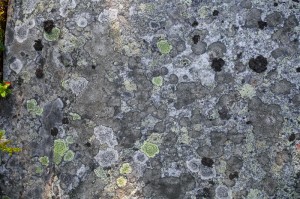
Stop the growth of molds in your chimney by simply preventing water from intruding inside of it. Have your chimney waterproofed.
What is fuzzy and always found in places where it doesn’t need to be? No, not your family pet, but mold. Mold is extremely dangerous and can grow anywhere. Too often homeowners learn that mold is a problem in their home, and could have been prevented with proper maintenance. However, if it is found in time, it can be removed. To learn more about keeping your chimney mold free, call the experts at Billy Sweet Chimney Sweep. These guys can help with sweeps, inspections, and many other fireplace needs!
What is chimney mold?
The mold found inside of your chimney grows the same as any other type of mold you know of. Mold can grow in less than two days from a spot of standing water. If chimney mold is left long enough, it can spread into the foundation of your home. Because mold comes in a variety of textures and colors, you may not notice it when you see it. This is why it is important to have a Chimney Safety Institute of America (CSIA) certified professional come do your annual sweep and inspection.
How do you get rid of chimney mold?
Once you find out where the mold has begun to grow, you can begin to remove it. Chimney technicians will start by checking for cracks in the chimney’s structure and where flue precipitation collects. They will also do a controlled water test where they spray water on the chimney in increments so they can see where it absorbs. If your flashing has become damaged, there can also be water leaks. Flashing is the group of metal strips that form layers where the chimney and roof meet. Overtime, this can become loose, but can be repaired by your technician.
Even though you can technically remove a spot of mold less than three square feet by yourself, it is still recommended that you call a technician for safety. If it is not removed properly, it can continue to spread. Also, it can cause severe rashes if it comes into contact with your skin.
How can you prevent mold from growing in my chimney in the future?
You cannot prevent mold from growing completely, but you can reduce the chances by having your unit waterproofed. Your technician can have this done in a day if you only need one coat. However, if you live in a wet area, it is often recommended that you have two. This should be done on a dry day for the sealant to have top performance.
by Billy Sweet | May 10, 2014 | Chimney Maintenance, Fire Safety
Your chimney liner protects the exterior of your chimney wall from excessive heat. Over the life of your chimney, your liner may need repair or to be replaced.

by Billy Sweet | Mar 25, 2014 | Chimney Maintenance
Chimneys add a certain aesthetic beauty to our homes and help keep our families safe from the smoke and harmful gases that would otherwise leak into our homes without them. Since we value them for the protection that they provide to our families, why shouldn’t we protect them a little, too? This is where chimney caps come into play. They’re not required by and laws or codes to be on our chimneys; however, it is strongly recommend that you consider having one installed.
What Purpose does a Chimney Cap Serve?

Chimney caps keep potentially damaging obstructions from getting into your chimney. Maintaining proper draft is key to optimal performance.
It’s quite simple actually. The basic job of a chimney cap is to cover the chimney’s opening in an effort to keep water, birds and other wildlife, leaves, twigs and other debris from getting into your chimney and/or house. Water is directed away from the center and off the sides of your chimney.
Birds, other wildlife, leaves, twigs and other debris are blocked from getting to your chimney via the mesh screening on the side, thereby preventing it from becoming a giant trash can. If any of these things were to get into your chimney, they could damage the chimney and cause more problems for you down the road. On the other hand, keeping them all out can increase the lifetime of your chimney liner.
What’s Your Ideal Chimney Cap Material?
Chimney caps are made from a variety of materials – galvanized steel, copper, stainless steel, and aluminum – and can be simple or ornate. Stainless steel caps generally give homeowners the most bang for their buck, as they are not impacted by the elements as much as are the other materials.
Galvanized steel and aluminum caps can and will eventually rust and need to be replaced, while shiny, more expensive copper caps will slowly weather and eventually end up the same color as the Statue of Liberty (some homeowners may actually prefer copper’s natural patina and will be willing to fork over the extra money for it; it’s purely a personal preference).
Why Should you Have a Chimney Cap Installed?
For those who are worried about the cost associated with a chimney cap, basic caps can be found at a pretty fair price. Deciding to purchase a chimney cap and have it installed by a professional chimney technician is a choice you won’t soon regret. It’s much cheaper to add a chimney cap now than to have to repair or replace your chimney liner sooner than you’d like.
It’s also a lot cheaper to have a cap installed than to hire a pest removal specialist to remove a family of raccoons from your chimney. Unless you just really want to get a visit from Ernie “The Turtleman” Brown or the Verminators, do yourself a favor and have a chimney cap installed. The certified staff at Billy Sweet Chimney Sweep can get your new chimney cap installed in no time. Your chimney and your family will both thank you.