by Billy Sweet | Oct 27, 2013 | Chimney Maintenance, Fire Safety
More Than Throwing In Some Newspapers
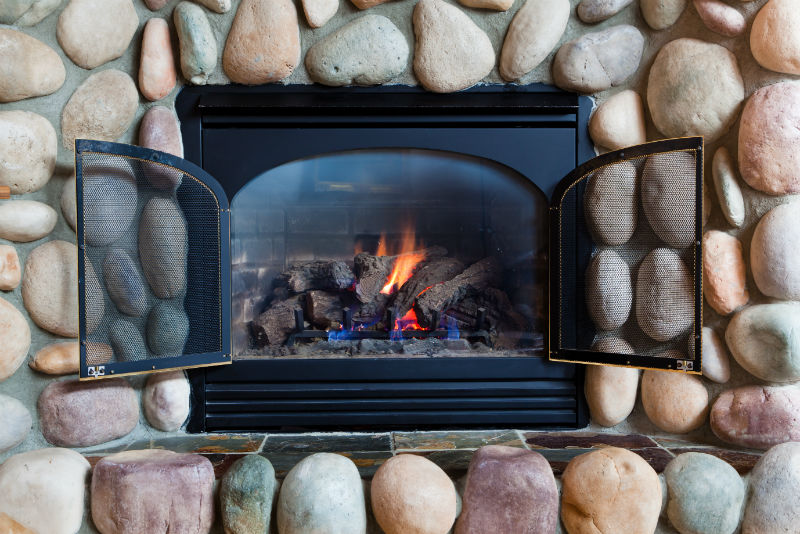
Many people enjoy using their fireplace during the winter to enjoy a warm fire. However, there are many people who do not know how to properly build a fire. It may seem as though it is as simple as throwing in some logs and lighting a match. However, building a fire safely and properly takes a bit of skill. There are a few simple tips any homeowner can follow to build a safe, roaring fire in their fireplace.
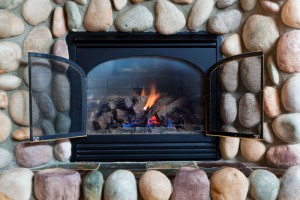
Even though you may want a fire so badly, you are tempted to use green or wet wood – it really hurts you in the long and short run. You’ll have a smoky fire and create additional fire hazards in your chimney.
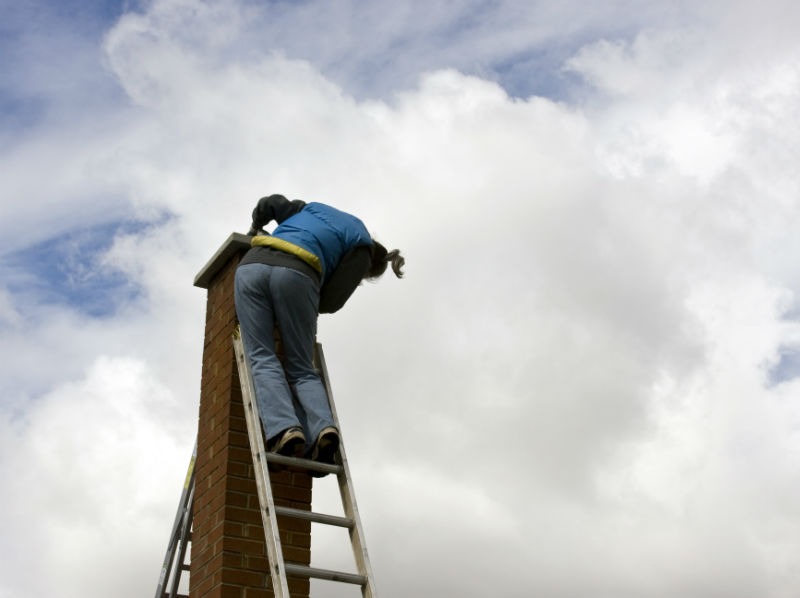
One of the most important things to keep in mind before beginning a fire is that the fireplace and chimney must be kept clean. Before starting the fire, take a look into the chimney with a flashlight and make sure that there are no obstructions. In many cases, leaves or animals can make their way into the chimney and block it. If this happens, smoke will come right into the home instead of going out through the chimney, which can be unpleasant as well as unsafe for the family.
An essential first step to building a fire is one that many people tend to forget. Before doing anything at all, make sure that the damper is open. In most chimneys, this is done by simply pulling a small cord or handle. The damper opens up the chimney and allows smoke as well as other combustible gasses to exit the home safely. Leaving the damper closed is a common mistake and many people realize it only when the home begins to fill with smoke from the fireplace.
Once the chimney is clear and the damper is open, it is a good idea to prime the flue. When the damper opens, the flue will immediately fill with cold air. It must be warmed up gradually before it is safe to build a big fire in the fireplace. This is best accomplished by lighting a bit of newspaper and holding it under the flue. Once it becomes warm, it will be in perfect condition for a warm, cozy fire.
When building the fire, keep in mind that only certain materials should be burned in the fireplace. Some people choose to use coal but most find seasoned firewood to be the best choice. Before going into the fireplace, wood should be left out to season for about eight months to a year. If anything else is used, the consequences could be disastrous. The fire may burn too hot and fill the house with smoke, which could also lead to a chimney fire. Other materials may also create chemicals that are toxic to everyone in the home.
Of course, keeping the chimney and fireplace clean is an important part of home maintenance. However, it is a good idea to keep a layer of ash measuring about an inch on the bottom of the firebox. This insulates the firebox and helps to burn a strong, warm fire. After each fire, sweep out the fireplace but leave a small layer of ash behind to help insulate the next fire.
Following a few simple tips will not only keep a fire warm and cozy, but it will ensure that it is safe. Before doing anything, make sure that the flue is free of any blockages and that the damper is open to allow smoke out. Start the fire slowly and let it build to a safe and enjoyable glow.
by Billy Sweet | Oct 10, 2013 | Chimney Maintenance
Don’t Let Air Quality Issues Keep You From Enjoying Your Fireplace
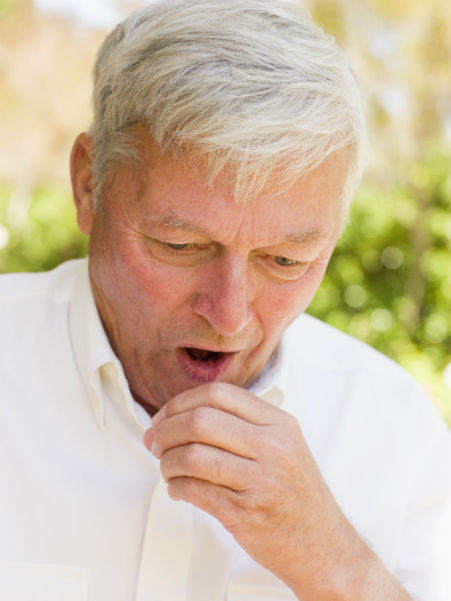
The first sign of an air quality issue relating to your home heating appliance is usually smoke: the smell of it, or sight of it billowing into your room. If someone in your home is struggling with respiratory issues like asthma, errant smoke will quickly — and very negatively — affect their lives. For starters, smoke carries particulates from unburned fuel that can aggravate respiratory systems. But what you can see and smell isn’t all you should be concerned about. Carbon monoxide is colorless, odorless and toxic, and if smoke is coming into your living area, there’s a good chance excess CO is in there, too.

When smoke is coming out of your fireplace, there are also hazardous gasses flowing in as well. You could have a draft problem.
When your chimney is working the way it should — when proper draft is pulling all of the byproducts of combustion up and expelling them from your home — air quality shouldn’t be an issue. So less-than-clear air is an indicator that there’s a problem in your system. Billy Sweet Chimney Sweep technicians can figure out your specific problem, and share solutions, during a chimney inspection. But here are some things to think about, which can help maintain or improve your air quality, in the meantime.
Solutions To Air Quality Issues
Keep Current With Regular Maintenance
Dirty flues will impede draft and prevent your chimney from venting properly, leading to smoke intrusion. Gaps and other kinds of damage can let gases leak into your living area. The best way to know that your chimney is clean and that cracks or gaps aren’t allowing particles and gases to leak is to stay current with your routine maintenance.
Your best practice: Schedule a chimney sweeping and inspection appointment once a year, ahead of the heating season, and have any areas of damage — from flue liner cracks to stuck dampers — repaired before you begin regularly using your appliance. With Billy Sweet Chimney Sweep, your sweeping and inspection go together — we sweep every chimney we inspect, so we can get a clean and clear look at the state of the appliance and flue. We also video scan the flue to get the closest look possible — and we’re able to visually and clearly share our findings with you, too.
Replace An Old, Inefficient Appliance With A New, EPA-Certified One
Older stoves and fireplaces, including masonry fireplaces, can be highly inefficient, and our industry has taken incredible strides in improving emission levels over the years. EPA-certified wood stoves, fireplaces and inserts made and sold today are built to create the optimum environment for fuel burning — and near complete combustion makes smoke almost nonexistent. EPA guidelines require these appliances to emit less than 7.5 grams of particulate per hour. Older units often give off as much as 42 grams per hour — a pretty remarkable difference.
A properly functioning, EPA-certified appliance — one that’s sized properly for the space, with a properly sized and installed flue — can make a really noticeable difference when it comes to the air quality in your home.
Be Particular About Your Fuel
Steer clear of burning green wood or anything else that isn’t seasoned or kiln-dried cordwood. Pressure-treated wood and lots of other materials (like plastic) can give off dangerous fumes when burned. And wood that hasn’t been dried properly (at least six months to a year) will give off far more smoke, negatively affecting your air quality.
Give us a call — Billy Sweet Chimney Sweep techs can share other methods for keeping your chimney system working its best, and if any problems do come up, we’re here to fix them.
by Billy Sweet | Sep 30, 2013 | Chimney Maintenance
Something Is Wrong, What Now?
Many people do not give any thought to chimney repairs until it becomes clear that there is a problem. If the chimney is starting to smell strange or is producing a great deal of smoke, it may be time to hire a certified chimney sweep to investigate. A chimney specialist is a critical piece, because their training and experience give them the ability to see problems, or potential problems that you don’t notice or cannot interpret.
So you know you need to call a chimney professional, how often does your chimney need an inspection? This should be done on an annual basis, not just when there seems to be a problem. In fact, having the chimney inspected each year is the best way to avoid most common chimney problems before they become major issues. This can save you money and prevent any damage to the structure of your home.
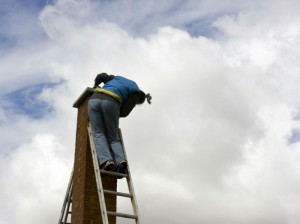
A yearly inspection by a certified sweep helps you see problems before they become more expensive and more dangerous.
Replacing or relining the flue liner is a common repair. The liner protects the inside of the chimney from corrosive gas, chemicals and general wear and tear on the flue. In many cases, chimney professionals find that the liner has started to detach from the flue, making it ineffective. Older homes may not have a flue liner at all and, if this is the case, the chimney should not be used until one is properly installed.
A great deal of chimney damage is caused by excessive amounts of moisture that collect within the flue. This may be the result of rain or snow that makes its way into the chimney and collects there. A simple way to fix this problem is by having a properly-sized chimney cap installed. This little piece fits right over the top of the chimney and prevents unwanted material from getting inside. This can prevent damage such as deteriorating bricks, dangerous molds or damage from critters setting up a home in your chimney.
Sometimes, a chimney inspection will show that there are cracks inside of the chimney as a result of foundation settlement. This is a serious issue that a homeowner would not likely know about if they did not have a proper inspection. In this case, it may be necessary to have the entire chimney refurbished or replaced. This may seem like a major undertaking but, if it is not addressed in a timely manner, the damage could spread throughout the foundation of the home.
It is important to remember that even the simplest of chimney repairs should only be handled by a professional chimney repair person. The average person who tries to repair their chimney may end up causing more problems instead of solving them. In addition, they put themselves at serious risk for bodily injury if they are not used to climbing up on the roof. The Chimney Safety Institute of America is a great place to find professionals who are trained to deal with many of these issues. Annual cleaning and inspection is a must-do for homeowners wanting to save money in the long term. Catching little issues before they become catastrophic is why expert eyes are needed.
by Billy Sweet | Sep 19, 2013 | Chimney Maintenance
Where is that cold air coming from?
We come up with all sorts of creative ways of dealing with drafts—anything to keep that sharp, cold air out of our home. Dealing with chimney drafts, however, is a little trickier than sealing windows and doors to lower the energy bill.

A certified sweep can help determine the origin of the draft problem.
There are many things that can cause drafts, and a certified sweep from Billy Sweep Chimney can save you time and money by getting straight to the source of the problem.
Here are a few of the things that can cause chimney drafts:
Size is important. For every 10sq in of firebox, 1in of flue is needed. If this ratio is off, the chimney won’t be able to do its job. In some cases, having a smoke guard installed can resolve this. The height of the chimney also plays into draft issues. Hot air rises, and more heat can be generated inside a taller chimney, which increases the odds that the smoke will make its way out.
Blockage. Debris, birds, animals, leaves, etc. can become trapped inside your chimney. Creosote buildup can also cause blockage, and is also a serious fire hazard.
Negative air pressure. Appliances such as a vacuum, clothes dryer, or furnace all take air from the home. If there isn’t enough, air will get pulled in through the chimney.
Here are some things you can do on your own to reduce drafts.
- Open the damper.
- Turn it off. Turning off any appliance that creates an air vacuum in the home can help with drafts.
- Open a window. New homes are built to be more efficiently airtight, so there can often be air flow issues when operating a fireplace. If your home is under 25 years old, open a window when operating the fireplace.
- Only use dry, seasoned wood.
- Place fire grate as close to the chimney’s back wall as possible. This ensures the fire is positioned correctly under the chimney.
If these are unsuccessful, give us a call to schedule an appointment. We serve Boston and North Shore (and surrounding areas), as well as Portland, Maine.
by Billy Sweet | Aug 31, 2013 | Chimney Maintenance, Fire Safety
A house fire is one of the worst situations we can think of ourselves in, especially when we think of home being the safest place we know. A fire can occur at any time, even in the middle of summer, and it is important to be prepared if a fire occurs within the home to keep you and you, your family, pets, and others staying in your home safe. f you have a chimney, it is critical to have it inspected and cleaned annually.
No matter how careful and preventative you are, you can still face a home fire.
Take alarms seriously
When a smoke or carbon monoxide detector goes off, it is for a real warning. Take all precautions seriously from the moment you become aware of an alarm or other problem such as seeing or smelling smoke. If an alarm goes off, GET OUT! It is important to notify the proper authorities, but do so after you have ensured your safety and to those around you.
Fire Extinguishers
Most fires start small and can be contained if acted upon quickly. Use fire extinguishers on small fires if available and accessible. Not only is a fire extinguisher a good protection, be familiar with its operation. Never operate a fire extinguisher if you do not know how to us it.
Take caution with closed doors
When evacuating a house that is on fire, always feel the door handle to see if it is hot. Never open a door if the handle is hot. Opening the door can bring more oxygen to the fire feeding it and possibly bringing you into more danger. Find another way out of the room. If you cannot escape, signal for help. Window ladders can be useful for second story rooms. Never use a non-approved ladder.
Stay low to the ground
Heat and smoke will rise, so being close to the floor will help keep you safer. Keeping low to the ground will help reduce the amount of smoke inhalation. Crawl and keep your hand on the wall to keep from being disoriented.
Once out Stay Out
Once you reach safety, dial 911 if someone has not already, and never re-enter a burning building. Stay clear from danger and await for authorities to arrive.
Have a Plan
The most important thing to consider about home fire safety is to have a plan. Practice as a whole household proper procedures in case there is a fire. Pick a spot a safe distance from your home as a meet-up spot to gather in case of a fire. Fire extinguishers, ladders, and proper procedures for exiting a burning house or building will help keep you and your loved ones safe.
by Billy Sweet | Aug 27, 2013 | Chimney Maintenance
A Chimney’s Worst Enemy
Water isn’t just fire’s worst enemy—homeowners with masonry chimneys need to beware, too. While a chimney is the most ignored and neglected part of the home, it has an important job and needs to be taken care of. One way you can do this is by protecting your chimney against water damage.
Masonry chimneys are made using combinations that include brick and mortar, concrete, stone, clay, steel and cast iron. These materials are porous and susceptible to water that can damage both your chimney and the structure of your home. Some signs of water damage are moisture on brick, dripping in fireplace, or wet spots on the ceiling or walls.
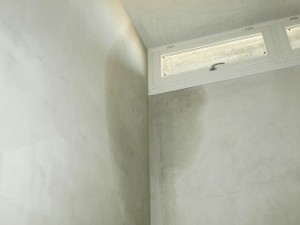
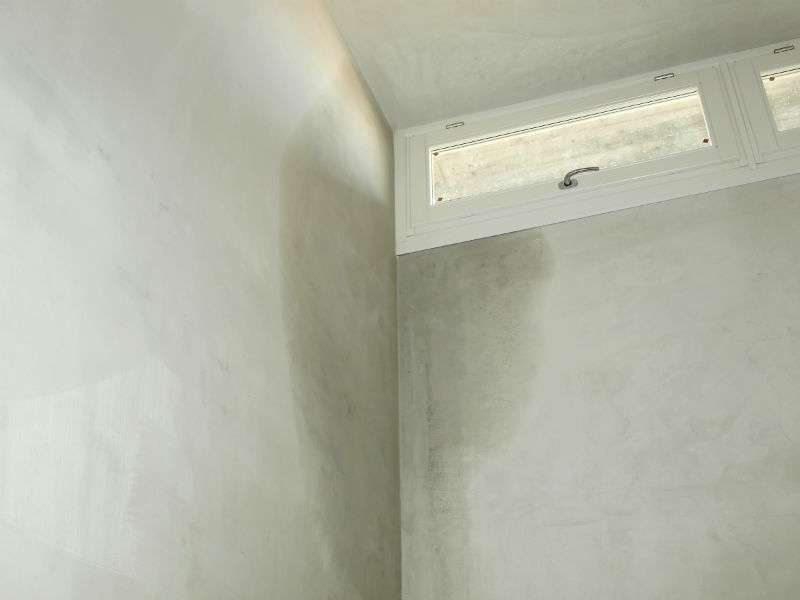
Sometimes water damage is visible near ceilings. Water is a threat to the structure of your home.
Water damage can cause chimneys to tilt or collapse, damper assemblies to rust, rotting rafters, stained and ruined walls, ceilings and wall coverings. It can also cause cracks, rust and deterioration of the flue lining system.
The number on solution for a chimney with water issues is to install a chimney cap. Many insurance companies require chimneys to be capped to minimize water damage and other issues. Chimney caps keep rain and moisture out, serve as spark arrestors, and keep animals and birds out, as well as debris such as leaves and twigs.
Other things that may need to be checked are the seal between the roofing and chimney (called flashing), the chimney crown, or the mortar joints. If any of these things are damaged, they will need to be replaced or repaired.
Talk to your chimney specialist during your annual cleaning about the many products available for waterproofing your chimney. Choose only vapor permeable sealers, which allow the chimney to breathe so that moisture doesn’t become trapped inside the chimney and deteriorate it.