by Billy Sweet | Mar 10, 2015 | Chimney Flashing
The bad news is that your roof may leak from time to time, especially after heavy rain or snowfall. The good news is that often the repair is as simple as replacing the flashing, rather than replacing the entire roof. Chimney flashing is not a shingle, but rather a detail that is installed in order to seal the joints that connect the roof to the chimney. These joints are not water tight, so thorough, professionally installed chimney flashing will help keep water away from your chimney. The result is not only a dry chimney, but also a dry and protected home interior.
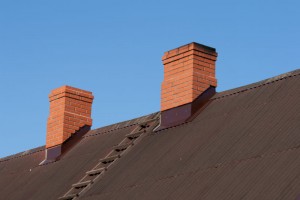
Types Of Chimney Flashing
There are a few different types of chimney flashing. Aluminum is common and inexpensive, however it is susceptible to corrosion, so it may need to be replaced every so often. Vinyl is another popular choice because it is still affordable but not as durable as other materials. Vinyl can become brittle and crack under harsh weather conditions and like aluminum will probably need to be replaced. On the other hand, steel is more expensive and takes longer to install, but is one of the more durable choices because it will not corrode. Similarly, copper flashing is the most widely recommended material for flashing because it will not corrode or crack but is lightweight like vinyl. Keep in mind, copper is the more expensive option, but after initial installation copper will not need to be replaced and will likely last as long as your roof.
Without Flashing You Can Damage Your Chimney
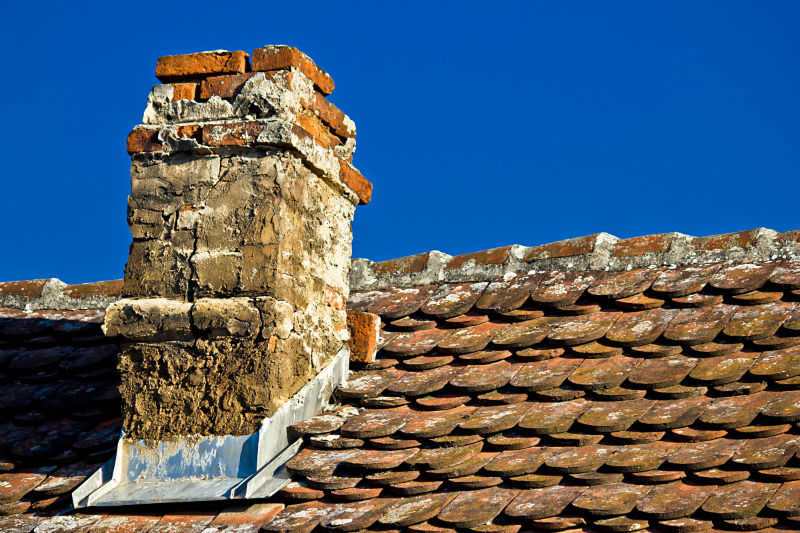
As a homeowner, if you are wondering whether or not flashing is important, let us save you some time. Flashing is very important! Without proper protection from external elements, your chimney could be vulnerable to water damage. Chimneys are made from brick and concrete, and if exposed to rain and snowfall over time, these materials can chip, crack and crumble. The result is almost always expensive chimney repairs that could have been avoided. If you do not install proper flashing you could be damaging your roof, and leaving your ceilings and wall treatments susceptible to leaks. Flashing is a simple and necessary installation that can save you a lot of homeowner headaches.
It is important to install flashing, but it is equally important to have your chimney inspected to make sure your chimney flashing is doing its job. Depending on the materials used in initial installation, the flashing material could have been damaged, or the joints could have loosened, which is why it is so important to have your chimney regularly inspected by a professional inspection company.
Always Have A Professional Install Your Chimney Flashing
Installing flashing is a task that is best left to the professionals. The experts at Billy Sweet Chimney Sweep in Boston have years of experience inspecting chimneys and making sure flashing is installed properly. If you attempt to install your own flashing you run the risk of installing it incorrectly as well as injuring yourself in the process. Trust the experts to help you maintain your home and recommend the chimney flashing products that are right for your chimney and right for your home maintenance budget.
by Billy Sweet | Feb 24, 2015 | Winter Chimney Damage
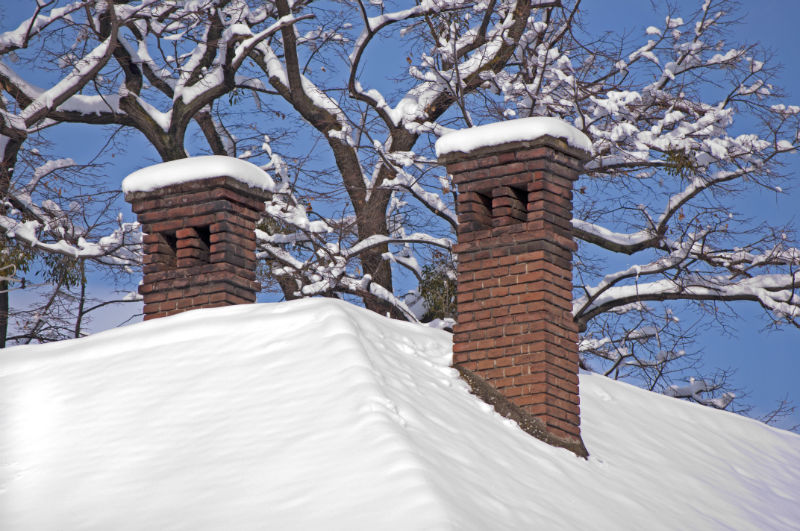
A lot of folks are thanking their lucky stars that March is finally rolling in. All over the United States there has been record-breaking winter weather; snow, sleet, hail and ice have all taken their toll on homes across America. If you use your fireplace or wood-burning stove to heat your home, then you’ve likely gotten your money’s worth this winter. Because of the drastic weather we’ve had this year, it’s more important than ever to stay on top of any chimney damage.
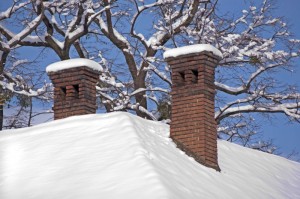
Ice Damming Can Damage Chimneys
Snow and ice build up is a serious concern for many homeowners when the weather gets cold. Ice damming is a real problem during the winter months, and this year has affected the Southeast United States more than usual. When rain and freezing rain hits a roof and freezes solid before it can drain through the gutters it can get trapped and cause what is known as an ice dam. This can cause terrible damage to your roof, but it can also damage the masonry of your chimneys. If you’ve had a lot of freezing rain, inspect your gutters and be sure to call a professional gutter cleaner if you suspect an ice dam.
Snow, Hail and Rain Inside Chimneys Can Cause Damage
If you’ve stayed diligent in your chimney repair and maintenance, you’ve likely installed a top sealing damper or a chimney cap. These easy-to-install add-ons to your chimney can prevent moisture from entering. Without them, the winter elements can leak into your chimney and cause serious problems. Not only can the moisture damage the brick and mortar of your chimneys, but also a build up of moisture can cause the fires in your fireplace or stove to not burn hot enough. Fires that aren’t burning hot enough are not only inefficient at heating your home, but can also leave behind creosote, a potentially harmful chemical trapped inside your chimney.
Prevention Is Key When Avoiding Winter Chimney Damage
With due diligence, you can keep your chimney and fireplace in top working order. As with many homeowner responsibilities, prevention is the best way to avoid costly and potentially dangerous damage to your home. Some additional steps you can take to avoid winter weather chimney damage are:
Have the inside of your chimney professionally lined to protect the inside.
Carefully inspect your roof and chimney after a big storm.
Have a professional remove ice build up from your gutters after a lot of rain or freezing rain.
Professionally clean your fireplace before and after the winter season.
A professional chimney sweeping company like Billy Sweet Chimney Sweep in the Boston, Massachusetts area can help maintain your chimney year after year. Before you light your first fire, have a certified inspector thoroughly inspect the interior and exterior of your chimney and fireplace. If your chimney sweeping company recommends masonry repairs have them completed well before you plan to use your chimney to heat your home. Not only will an inspection prevent costly damage, it will also help you burn efficient fires that will provide warmth and comfort during the worst winter weather.
by Billy Sweet | Feb 11, 2015 | Working In Boston
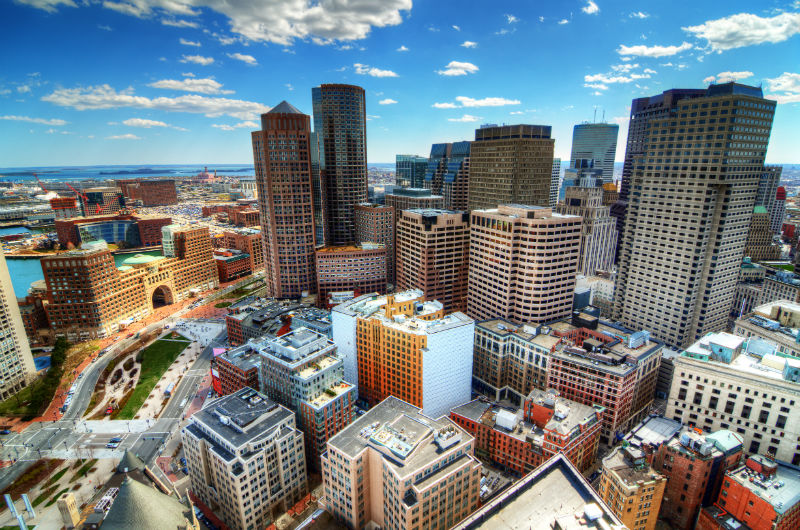
Working in Boston links you to the history and entrepreneurial spirit on which American Free Enterprise was built. Not only is Boston the birthplace of American freedom, throughout the years, Boston has proven to be a leader in national and international commerce. That’s why Billy Sweet Chimney Sweep is so proud we are part of the Boston business community.
Boston Harbor is the oldest in the country. John Smith discovered the port in 1614. The harbor is synonymous with the Boston Tea Party. By the 1660s Boston Harbor was the port for all arriving cargo ships bringing goods to New England. Today, Boston Harbor remains an important shipping port and many of the job opportunities are related to the maritime activities associated with the Port of Boston.
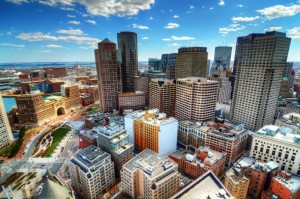
In addition to its strategic waterfront location, Boston has also grown into a technological, educational, and health care mecca for local, regional, national, and international businesses. As the capital of Massachusetts, there are civil and political employment opportunities, both local and state. At the crux of all business, is independent business. Boston is the place for entrepreneurs to build deep roots and showcase their talents and passions by providing products and services to those who live and work in the Boston area. There are over 800 restaurants in Boston and less than 40 of them are considered “fast food”. That means restaurants for lunch, after work get-togethers, dinner, and weekend food and entertainment venues are abundant for foodies and wait staff.
There are many characteristics that make working in Boston so special.
First and foremost are the people. Boston is a melting pot. Hardworking, determined settlers from across the globe came to Boston over the years in order to build a better life. Each generation has built on that foundation while growing Boston into a progressive leader of commerce in the world.
Boston is a city of education.
The students of Boston’s most prestigious colleges and universities make Boston one of the youngest metropolitan areas in the country. Working in Boston means your business is patronized by the students, faculty and administrators. As a resident or visitor to Boston you can enjoy sports, theatre, art, community education and much more as a result of the community outreach programs sponsored by the 53 colleges and universities in the Boston area. Nine out of 27 of Boston’s public schools were honored with the bronze, silver, or gold rankings by U.S. News & World Report thanks to their educators and school district administration. The first public school in the United States opened in 1635, Boston Latin, and is still open today.
Boston is a city of firsts.
- First College (Harvard, 1636)
- First Subway (1897)
- First Public Park (1639)
- First Organ Transplant (Kidney, 1954)
- First City Police Department (1837)
- First Dunkin Donut (1950)
- First Newspaper (Boston Globe, 1704)
- First Microwave Oven (1947)
- First Ball Park (Fenway, 1912)
- In light of the recent terrorist attacks in Boston, our first responders also receive our accolades.
All these, and many more firsts, reinforce why it is so good to work in Boston. For more firsts in Boston click here.
Sports in Boston are a source of employment and after work recreation.
The Celtics, Red Sox, Bruins, and Patriots mean sports lovers have the ability to cheer for their favorite team during every season. Dating as far back as opening day at Fenway, attending Opening Days and special games have even been the reason many employees have called in “sick”. There is nothing better than relaxing and supporting your favorite team! The staff who support the stadiums, teams, and concessions give our athletes and the fans a unique and unprecedented experience. (As do our renowned craft beer breweries.)
Boston Employment An All-Time High
There are over 3.4 million people working in Boston. Those who are currently working or look to work in Boston, are encouraged by this summary on the City of Boston’s website. “With a strong economy, safe streets and a diverse workforce, Boston is poised for continued success in fostering new enterprise throughout the city. Increasingly, companies are discovering new market opportunities in urban neighborhoods where density of purchasing power, investment in new infrastructure and access to employees form a framework for growth.”
We love working in Boston, the people, the resources, the transportation, the culture, the geography and so much more gives those who work in Boston a huge advantage and quality of life over America’s other big cities!
by Billy Sweet | Jan 28, 2015 | Top Sealing Damper
If you’re a new homeowner or are unfamiliar with your fireplace you may be asking yourself, “what is a fireplace damper?” The damper is arguably one of the most important pieces of your fireplace. Often located near the bottom of your chimney, your damper serves to seal your fireplace shut so no heat escapes when your fireplace is not in use. If your fireplace damper is leaky or malfunctioning it could lead to costly heat loss.

This clip is courtesy of Richie Baxley at Environmental Chimney Service in Asheville NC.
What Is A Top Sealing Damper?
Traditional dampers are located at the base of your chimney, near the throat and/or the chimney box. However, in recent years top sealing chimney dampers are being recommended. A top sealing damper functions essentially the same way but is more efficient at keeping warm air in and cold air out. Located at the top of the chimney, this type of damper seals the chimney where debris and moisture is likely to get in, and heat is most likely to escape.
Better Seal, Less Heat Loss
In general, top sealers are though to be better at keeping heat loss at bay because they provide a tighter seal and reduce heat loss exponentially. These newer, more efficient sealers are now recommended for reducing heat loss and improve heat retention in more homes. Homeowners are now realizing that a traditional damper is not enough to thoroughly and efficiently heat their home(s), especially if a wood-burning fireplace is the principle way they choose to heat their home.
Eliminating Debris Inside The Chimney
Not only are top sealers better at reducing heat loss, they also help prevent debris and moisture from entering the chimney. Debris like twigs and leaves can fall into your chimney, especially if tall trees surround your home. These twigs and leaves can get trapped in your chimney and cause chimney fires, which are a serious hazard for homeowners. Additionally, chimney fires are expensive, costing homeowners $11.7 billion in 2011 alone. Preventing debris inside your chimney with a top sealing damper is one of the best things you can do to reduce your risk of chimney fires.
Eliminating Moisture Inside Your Chimney
Not only does a top sealing damper prevent debris from building up in your chimney, it also seals your chimney so tightly that it prevents moisture from entire your chimney. Rain and snow can enter your chimney and affect the efficiency of it. When you’re trying to heat your home, a clean, dry fireplace and chimney is the most efficient fireplace.
In many homes, top sealing dampers are seen as an important addition to the chimney and fireplace. In addition to chimney caps and traditional dampers, a top sealing damper is a simple add-on that can improve the way your fireplace works – making it cleaner, safer and more efficient.
Billy Sweet Chimney Sweep has been serving the New England area for over 30 years, and can help you update your fireplace to make it burn cleaner, hotter and more efficient. Don’t suffer through the winter months. Update your fireplace with a top sealing damper that will improve the way your fireplace works and help heat your home for less money.
by Billy Sweet | Dec 31, 2014 | Neglecting Chimney Maintenance
At first glance, chimneys seem very robust. They live outside all year, exposed to the elements, and can withstand hundreds of degrees worth of heat, fire after fire. Despite all of this, however, chimneys do need some regular care to keep up with these high demands. Industry experts strongly recommend having the chimney swept and inspected at least once every year and for good reason. Failure to keep up with chimney maintenance can have some devastating consequences.
For wood burning fireplaces and stoves, the chimney will contain a buildup of a material called creosote. This black, tarry material clings to the surface of the chimney and can build up to the point of blocking air flow. Creosote is also highly flammable and is the cause of many destructive chimney fires. It burns at a much higher temperature than wood or gas, and once burning, it can be very difficult to extinguish. To keep your home and family safe, having a chimney sweep remove the creosote is imperative.
Debris found in the chimney can also take the form of an obstruction that reduces or blocks the flow of air. A common obstruction in the chimney is an animal and its nest. Warm chimneys attract small animals like birds, squirrels and raccoons that need a cozy space to wait out the winter. Unfortunately, this means trouble for the home owner. When the toxic fumes from the fire cannot escape through the chimney, they end up in the house. Not only does the creosote and soot leave messy, black residue on walls and furniture, but this lack of ventilation can actually be dangerous. Carbon monoxide, a product of combustion, can cause death when inhaled in high enough concentrations. It also has no color, smell, or taste, making it impossible to detect without relying on a special detector. To avoid the dangers of carbon monoxide from the fireplace, have a chimney sweep out every year.
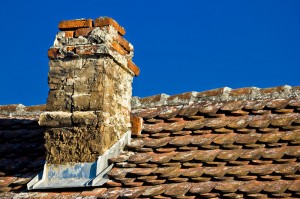
Chimney inspections should also be done every year. The inspector examines the chimney from inside the house and from the roof to determine its structural soundness. A common problem that inspectors uncover is water damage. In a masonry chimney, water can enter the brick and mortar and cause cracking or even collapse. In all types of chimneys, water can also cause damage to the interior. If the flue lining is made of metal, water exposure can lead to rusted cracks or holes, which then exposes the house to further water damage, carbon monoxide leaks, and potential house fires. A simple inspection could determine if the chimney cap needs to be replaced, which can prevent these problems most of the time.
All in all, failure to keep up with chimney maintenance could cost you money in repairs, your house, and even your life. Instead of risking it, just call to schedule your annual sweep and inspection today. If you live near Boston, Massachusetts or Portland, Maine, contact Billy Sweet Chimney Sweep to speak with a professional.