by Billy Sweet | Sep 28, 2018 | Gas Appliances
September is the time of year when everyone enjoys the refreshing chill in the air and the beautiful leaves changing. This weather is especially magical on the east coast, and it’s easy to get wrapped up in fall. You may be ready to fire up your gas or oil fire appliance to warm up and to bring that special bit of ambiance into your home. It’s tempting, but even your gas and oil flues need to be serviced before the first fire of the season. 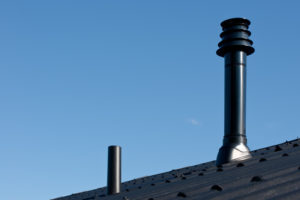
Why Schedule an Inspection?
It’s important to schedule a chimney inspection every 12 months in order to maintain safety and efficiency of the system. A standard inspection assesses the basic soundness of the structure, proper connections, appliance installation, and checks for obstructions and combustibles. A level two inspection is necessary if your system has changed or the way your use it has changed. It’s also required before the sale or transfer of property and if the chimney might have been affected by strong winds, fire, or earthquake. Your chimney sweep will schedule a level three inspection if a hazard is suspected. These inspections are necessary for safety and required by many municipal codes and homeowners insurance and organizations. It’s not enough to just have wood-fired chimneys inspected. Oil and gas flues need inspections too.
Your Oil Flue
During winter, especially in climates such as ours, oil-fired appliances have long running cycles. While the fire is burning, oil soot rises up the flue and sticks to the sides of flue. This substance will eventually fall back down the flue and sometimes even fall onto the oil-fired appliance. This can lead to a build-up that obstructs proper airflow and leads to a drop in efficiency and carbon monoxide and smoke exposure. This is dangerous for those living in the home and can affect the heat output of your appliance, wasting resources.
Your oil burner technician may service your appliance and shovel deposits from the appliance itself, but only a certified chimney professional can inspect and clean your flue. Even if you had your oil appliance serviced last week, your flue needs attention this week, BEFORE you light a fire.
Your Gas Flue
Gas appliances are growing in popularity nationwide due to their convenience and low maintenance, but it’s important that gas appliances get annual attention just like every other fire appliance. In fact, it’s quite important to have your gas flue inspected and cleaned, because as gas burns, it produces water vapors that can cause all kinds of problems if it isn’t cleaned away. As the deposits of soot and water vapor mix, efficiency in the flue will drop and condensation will affect your home, sometimes damaging wallpaper, blistering paint, and more.
Clean Sweeps and Thorough Inspections
When you schedule an inspection with Billy Sweet Chimney Sweep our expert technicians will assess your flue from top to bottom, and a sweep is included with every inspection, so your flue will also be thoroughly cleaned.
Don’t hesitate to call today and have your system inspected before the first fire of the season. Call 617-469-4528 today.
by Billy Sweet | Sep 14, 2018 | Chimney Inspection
New England is still experiencing some warm weather worth enjoying, but winter is just around the corner. With only a few weeks before fall arrives, it’s important to make sure the fireplace and chimney system are ready for the first fire of the season. When your chimney is inspected, you can rest assured that it’s safe and efficient for burn season. A safe and efficient chimney keeps your family safe from harm and your wallet safe from costly repairs.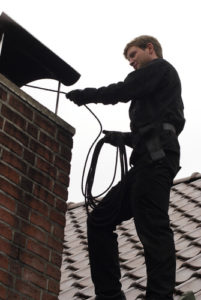
Avoid the Fall Rush
When you schedule your chimney inspection now, you can avoid the fall rush–the time between October and January when chimney professionals are busy with installations, repairs, and emergency calls. Waiting until fall to have your chimney serviced may be a recipe for disaster. It may mean that you can’t get a convenient appointment time, may not fit into the schedule with your desired chimney sweep company or technician, and tempt you to light a fire in a fireplace that is not safe or ready!
CSIA Inspections – The Standard for Excellence
CSIA inspections are the industry standard for diagnostics. Both the Chimney Safety Institute of America (CSIA) and the National Fire Protection Association (NFPA) recommend annual chimney inspections and routine sweeps. There are three different levels of CSIA inspections, depending on how you use your fireplace.
Level One – The standard annual inspection for a chimney with no changes and no problems is the level one inspection. It includes an assessment of all readily accessible portions of the chimney system, including the interior, exterior, appliance, and chimney connection. This inspection is often included in a standard chimney sweep.
Level Two – If changes have been made to the system, including new installations or repairs, a level two inspection is necessary. They’re also required before a property is sold or transferred and if a storm, fire, or earthquake may have affected the system. This inspection includes a visual inspection by video scan to assess the interior of the chimney system, joints, and chimney components. There are no special tools required for this inspection, but it includes opening doors and panels or coverings to access portions of the chimney.
Level Three – If a hazard is identified or suspected, your chimney will require a level three inspection. This thorough inspection may include the removal of components of the building or chimney in order to access the hazard. If your chimney professional recommends a level three inspection, it must be done before winter to prevent damage and health hazards.
Schedule Today
Schedule your chimney inspection with Billy Sweet Chimney Sweep and you can rest assured that your chimney system is ready for winter. Our technicians focus on safety first. We use a Chim-Scan camera system and Wohler Vis2000-Pro to inspect and document every detail so we can make proper assessments and recommendations. Not only do we inspect the chimneys with expertise and authority, but we sweep every chimney we inspect. Scheduling today means you will have time to also schedule recommended repairs.
by Billy Sweet | Aug 30, 2018 | Creosote, Uncategorized
To say creosote is a minor problem would be an understatement. Creosote is neither rare nor harmless. Every wood-burning fire that you burn in your fireplace and chimney system produces smoke that rises up the chimney. The smoke is filled with hot gases, particles, soot, and creosote that covers the chimney interior. Though soot can be corrosive to the chimney liner and masonry, creosote presents a whole different set of problems.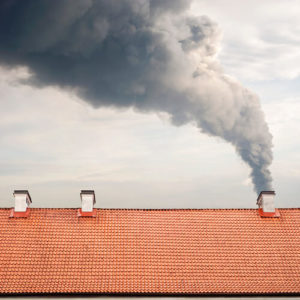
Creosote Buildup
Soot is made up of carbon, but creosote is made up mostly of tar–a sticky substance that is also flammable. Because of the sticky nature of creosote, it collects easily in a chimney, covering parts, clogging the clean out area, and creating a fire hazard. As the creosote builds up, it can become a serious obstruction–and when it reaches stage 3 buildup it is also difficult to remove.
Stage 3 Creosote
Stage 3 creosote, also called glazed creosote becomes a problem only when the chimney isn’t cleaned regularly. When the creosote isn’t removed on a regular basis, it builds up. When it becomes heated, the creosote boils, causing all the moisture in it to evaporate, and leaves a hardened mass of condensed fuel in the flue. Once it reaches this stage, the creosote can’t be brushed away during a standard chimney sweep. It decreases the chimney’s efficiency, increases the amount of creosote produced by the inefficient fire, and raises the risk of flue fire.
Chimney Damage
Creosote will not damage the chimney when it is cleaned regularly and properly. Once creosote reaches stage 3 buildup it can be difficult to remove without damaging the liner. You cannot remove it with brushes and a homeowner or handyman attempting to do so with tools will cause damage. Additionally, if it isn’t removed, the glazed creosote can cause a creosote fire that damages the masonry, the liner, and even the structure of the chimney. If you suspect a flue fire, you should call a chimney professional for an assessment right away.
Prevent Creosote Buildup
You cannot stop creosote altogether, but you can prevent dangerous buildups.
Schedule Regular Chimney Sweeps – Your chimney sweep appointments will keep your chimney working properly and the chimney professional will assess it with each appointment.
Burn Properly Seasoned Wood – Burning wet or “green” wood that is freshly cut will drop the efficiency of your fireplace. Green wood is harder to light and burns with less heat, often burning incompletely. This leads to more creosote. Burn only properly seasoned firewood in your fireplace to keep your chimney system working properly.
When you do have a creosote buildup in your chimney, it’s important to call the professionals for proper and safe removal. Billy Sweet Chimney Sweep technicians use an industrial product to remove the creosote without damaging the liner and then we clean the entire flue.
Give us a call before you try to remove creosote yourself. It’s harmful to breathe, may irritate your skin, and can destroy your flue if it results in a fire.
Talk to a professional today at 617-469-4528.
by Billy Sweet | Aug 13, 2018 | Waterproofing
Your chimney may look healthy from the outside, but it may have a hidden problem that is wreaking havoc on all of the unseen parts. Because of the porous nature of masonry and the materials it is made of, masonry chimneys are highly susceptible to water penetration and damage, which may go unseen for many weeks or even months before anyone notices signs of a problem. By this time there is usually serious unseen damage within the system–damage that is 100 percent preventable.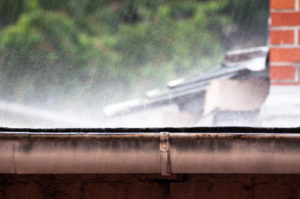
Water Damage
Whether it falls in through an exposed flue, penetrates through the masonry, or seeps in through damaged flashing, water will produce the same result–damage. Water doesn’t only damage parts of the chimney itself, but usually results in other leaks that affect your home. When water comes in through the chimney system, it will travel through the structure of your home, in ceilings, floors, and walls until it pools in one low area where it will form a leak. For this reason, if you have a leak anywhere in your home, even rooms away from your chimney, it’s important to call a chimney professional. The chimney is the first thing that should be checked because it’s usually the culprit. Besides damage to the home, walls, floors, and furniture, the chimney takes on damage that is costly to repair.
Water causes serious damage to the chimney, including:
-Rust to parts, assemblies, ducts, and connections
-Deterioration of assemblies, masonry, mortar, and mortar joints
-Rotting adjacent wood, wall coverings, walls, and floors
-Water stains in home and masonry (interior and exterior portions)
-Cracks and damage to flue lining system
-Collapsed hearth support and foundation damage
-Leaning, tilted, or collapsed chimney structure
-Chimney settlement
-Odors, spores, and mold affecting breathable air in the home
Preventing Water Damage
At Billy Sweet Chimney Sweep we understand the importance of water damage prevention due to our sometimes harsh winters and proximity to ocean waters. Falling precipitation isn’t the only water that can penetrate the chimney system. Moisture in the air, especially corrosive moisture such as salt water, can be just as damaging to the masonry. It’s important to schedule routine maintenance with a chimney professional in order to make sure your chimney is protected against water penetration. At Billy Sweet we offer chimney inspections year round that will identify problems and hazards that put your chimney and home at risk. We also diagnose leaky chimneys, and the first thing we’ll check is the flashing because it’s often installed incorrectly. Billy Sweet will also check that your flashing, cap, crown, and masonry is in good shape and will keep water out. To add extra protection to the masonry, we apply a waterproofing product that will keep water out year after year.
Functional Waterproofing
It’s unsafe to put latex sealant or other outdoor water repellent products on your masonry. They may keep water out, but the chimney won’t work properly, or safely. The water repellent that we use at Billy Sweet actually repels water, keeping water molecules from getting in, while still remaining vapor-permeable so that gas and heat can escape.
We not only waterproof chimneys year-round, but we offer this service free after exterior masonry repairs!
To schedule your waterproofing services, call 781-593-2333 or contact us online.
by Billy Sweet | Jul 30, 2018 | Historic Chimneys
Chimneys may be the best feature of your home. They are not only beautiful and add to the architectural integrity of the home, but they also keep your family safe while using a fireplace while making it more efficient. The chimney, its parts, and industry professionals have evolved over time to always improve safety and efficiency. Homes are safer with chimneys, and safer still when those chimneys are properly constructed and maintained. Taking care of your chimney is also an investment in your property, and your future! 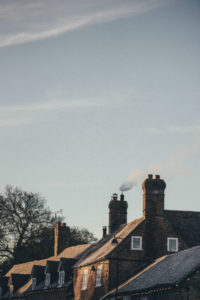
Historic Chimneys
While historic chimneys in our region of New England may go back to the 1700s, chimneys themselves go back as far as 12th century Europe. Before this, ventilation occurred in Rome when bakeries installed tubes in the walls to let smoke out. It wasn’t until the 15th and 16th centuries that chimneys took on a cosmetic appeal with ornate carvings and tall structures that could compensate for larger homes and multiple fireplaces. Simple chimney structure, though decorative and complementary to the home’s architecture remained the norm in Europe until the 18th century. At this time, coal was introduced as a domestic fuel source and this is when chimneys became the focus of serious study.
Chimneys Then
In the 18th century, Sir Benjamin Thompson identified the forms and relationships of the chimney’s parts. They consist of the throat, the smoke chamber, and the flue. The throat is the entrance of the flue where the smoke and heat passes into the smoke chamber and mixes to rise up the chimney. The smoke chamber includes a smoke shelf that prevents the smoke from falling back into the fireplace. The flue is the lengthy portion of the system, which carries the smoke out through the roof. Early chimney flues were masonry, and sometimes lined, though many flues even in the 1900s went unlined. Read more about chimneys here.
Chimneys Now
Chimneys today are made up of many parts that work together to keep the chimney working safely and efficiently. Some parts offer convenience, others are for cosmetic affect. Overall, the chimney has become more than a means to vent a fire. Families that don’t need fire heat still have a fireplace and chimney because they want them!
Chimneys today MAY include an ash dump which helps homeowners manage ashes. They may have a mantel, glass doors, or fireplace screen. The parts of the chimney that are recommended and/or required are: dampers, caps, crowns, and flue liners. What type of part you choose, is up to the homeowner, though some parts and brands offer benefits and convenience. For instance, you can save money by choosing a top-mount damper instead of a throat damper. The type of liner or liner repair you choose offers benefits as well. For instance, clay tile liners only work for wood heat, but stainless steel or HeatShield liners work with all fuel types.
Though chimneys have evolved over time, one thing is the same: chimneys keep homes safer than without. Chimneys that are maintained keep families safer than those that are neglected.
Call Billy Sweet Chimney Sweep today at 617-469-4528 today and ask a professional about chimney services.