by Billy Sweet | Dec 28, 2018 | CSIA Certification
The worst thing that can happen when you’re looking to fix a problem is for something to go wrong. You wouldn’t leave your health up to an amateur, so don’t leave your chimney care up to anyone other than the certified and insured professionals, trained in chimney science. At Billy Sweet Chimney Sweep, our technicians are CSIA-certified, and our company is licensed and insured. That means if everything doesn’t go as planned, we have a plan!
The Billy Sweet Difference
At Billy Sweet Chimney Sweep we’ve provided chimney services to New England for over 30 years. We provide the highest level of customer service and care and we hold our technicians up to the highest standard as well. No matter the service, we maintain the cleanliness of the home as if it’s our own. We keep detailed documentation during the work process, and make sure the mess is contained with drop cloths, tarps, and a vacuuming system.
Routine Maintenance
If you reside in our service area, you can count on Billy Sweet for all your routine chimney services. According to the National Fire Protection Association (NFPA) chimney systems that are cleaned and inspected routinely are the safest and most efficient. Chimney sweeps and inspections are our specialty, and we do so without damaging your system. If something goes wrong and damage is incurred at our fault, we handle it through our insurance. You won’t be bothered by the cost, and we’ll get it handled quickly so it doesn’t disrupt your life. It’s vital that you choose a company with insurance so you aren’t stuck with a big bill or costly damages after services end up in repairs.
Repairs and Restorations
Billy Sweet repairs and restores chimneys in New England no matter the size, style, age, or stone type. Our masons can repair your brick. We can bring an old chimney up to code. We can restore a neglected system back to efficiency and beauty. Don’t leave your repairs and restorations up to amateurs, and don’t count on D-I-Y Youtube videos. When it comes to your chimney system, chimney science must be considered, fire safety codes adhered to, and efficiency should be a priority. Only trained and certified professionals can show your system the best care and insure the best outcome.
Worst-Case Scenarios
When you hire a neighborhood handyman or uninsured company, it’s likely that they don’t have the funding for insurance, or could not be insured due to lack of training or certifications. The worst-case scenario may happen, and the contractor would leave you with a costly repair, or make the repairs in-house, with a large bill for you. An untrained worker might damage the roof, brick, liner, crown, and more. Roof damage may be the most common problem when hiring an inexperienced chimney sweep, and may be the most expensive to repair. Don’t leave your chimney up to chance, leave it up to the professionals–trained, certified, licensed, and insured. Count on Billy Sweet Chimney Sweep.
Call our Boston location at 617-469-4528.
Call our North Shore location at 781-593-2333.
Call our Portland location at 207-773-7933.
by Billy Sweet | Dec 14, 2018 | Chimney Repair
As cold weather sets in around New England, families are moving indoors. This is a big time for home improvements and renovations–especially after the holidays are over. Before you embark on projects around the house this winter, make sure you know the law in your area regarding building permits, licenses, and insurance. These things may not seem like a big deal when you’re just making minor changes, but your city authorities may see it differently!
Chimney Repairs and Permits
Chimney repairs are some of the most important that you might make to your home. The chimney keeps your home safe from carbon monoxide exposure, smoke inhalation, and unsafe fires throughout winter, and can save you money in utilities through summer. If you don’t hire a professional for repairs, constructions, renovations, and installations, you may end up paying more than you intend–in municipal fines and damage repairs.
Certified Professionals at Billy Sweet
Billy Sweet Chimney Sweep has been operating in and providing exceptional chimney services to New England for over 30 years, and we do this by certifying our sweeps. Our chimney sweeps are certified through the National Fireplace Institute (NFI) and the Chimney Safety Institute of America (CSIA) which gives us the ability to obtain building permits for any chimney work you need or want done. Don’t DIY your way through chimney work, and don’t hire an amateur. Certifications are gold in this business because they take money, training, experience, and continued education. When you find a professional with certifications, you can count on expert services and professionalism every step of the way.
Common Chimney Work Requires Permits
You will not need a permit for certain types of chimney services. For instance, routine and preventative services such as chimney sweeps and annual inspections shouldn’t require a building permit. Many installations will not require a permit either, but any construction will. This means you can have a unit installed, but you cannot have a fireplace or chimney built without a building permit. You can have a part replaced, but if it requires access through masonry or removal of components, it will likely require a permit. Extensive masonry repairs will require a permit as well. The reason that permits are required by the powers that be are to keep the citizens safe. Improper installations, methods, and work can put not only your family, but the worker and your neighbors at risk.
Just like your homeowners insurance requires a certain standard of training and certification for home services and repairs, the municipal authorities do the same. Know that when you schedule with a certified and licensed professional who works within safety codes and standards, your safety will not be an issue.
Before planning out your projects for the new year, talk with a Billy Sweet Chimney Sweep, we have all the necessary permits and documentation to work in our service area and to provide the best services to our customers.
Call our Boston office at 617-469-4528.
Reach our North Shore office at 781-593-2333.
Portland residents can call 207-773-7933.
by Billy Sweet | Nov 30, 2018 | Chimney Masonry Maintenance
Your chimney is built to last. Professional chimney sweeps and master masons build chimneys that are both beautiful and durable, but even those that are well-made can deteriorate over time. The cause of deterioration can be a wide range of things, but it may be easy to diagnose and prevent with professional care.
Water Damage
Your chimney is most affected by water. Because masonry is made up of many materials (all of which are adversely affected by water), you can count on quite a bit of damage when water is allowed in the system. In fact, if water penetrates the system, it can lead to major deterioration, ranging from simple rust to gaps and voids in the liner and serious structural concerns. Water doesn’t just damage the chimney either, it can cause leaks and damage in all other areas of the home. If you have a leak in your bathroom or kitchen ceiling, you may assume it’s a roof problem and call a contractor, when you should be calling your chimney professional. The first thing we’ll check is your flashing. It’s the most common point of water penetration, and will be the best prevention of deterioration and damage.
Winter Damage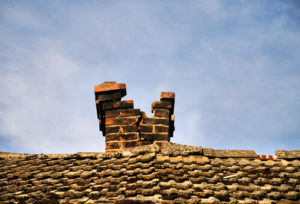
If even a small amount of water is allowed into the masonry, the freezing temperatures in winter can cause serious masonry damage. This winter damage is caused from a freeze/thaw cycle in which water enters through small cracks and gaps, then freezes–expanding and breaking apart the mortar around it. When the chimney warms up again, the water melts and moves further into the damaged masonry, repeating the process all winter long. A minor leak or small amount of damage in the fall can become serious damage by the end of burn season.
Natural Occurrences and Fires
Over time your chimney can become deteriorated on the outside because of sunlight, weather, storm winds, and seismic activities. On the inside, your chimney system can become deteriorated when regular maintenance is neglected. The system should be cleaned on a regular basis to prevent corrosion caused from soot, creosote, and moisture. If left in the flue, the liner can become damaged, putting your family and home at risk, allowing carbon monoxide into the living space, and igniting combustibles.
Chimney and Masonry Repairs
No matter what the problems is, big or small, we can repair it at Billy Sweet Chimney Sweep. Whether your chimney is new or old, even if it’s historic, we are experienced and trained in repairs and restorations. We complete crown repairs, repointing, relining, and more.
For all of your chimney repairs and preventative needs, Billy Sweet Chimney Sweep has the expertise and materials to get the job done and to get it done right. We stay abreast of fire safety codes and industrial advancements, and all of our techs are CSIA certified chimney sweeps. Call Billy Sweet at 617-469-4528.
by Billy Sweet | Nov 15, 2018 | Chimney Inspection
If you’ve gone 12 months with no chimney inspection, you need to have it checked after a flue fire, if you’re looking to make updates for sale or refinance, or are selling the property. There are many reasons to have a chimney inspection–the first and most important reason is for chimney safety. The most safe and efficient chimney systems are those that are cleaned and inspected regularly.
When to Schedule an Inspection
Your chimney should be inspected by a professional every 12 months for safety and efficiency according to the Chimney Safety Institute of America (CSIA)and the National Fire Protection Association (NFPA). These important diagnostic appointments prevent dangerous creosote buildup, hazards, damaged parts, and more.
Scheduling in the spring – Many homeowners choose to schedule their inspection in the spring in order to diagnose winter damage and to prevent leaks through the wet and humid months of spring and summer. An inspection in the spring means your chimney is clean and safe for another year, and you get the bonus of a well-working system through the summer so that conditioned air doesn’t escape, and animals don’t creep in.
Scheduling in the fall – It can be difficult to get an appointment during the fall due to the busyness of chimney professionals at this time. However, an inspection in the fall insures your system is safe and ready for burn season. Don’t leave it up to chance. If you have any reason to schedule an inspection, do so before you light the first fire of the season.
Levels of Inspection
CSIA inspections are completed at three levels to allow homeowners the best results. You can schedule an inspection according to your needs, spend less, and get the detailed look necessary for you chimney’s safety.
Level One – The inspection scheduled annually when no changes have been made to the system and there have been no problems with the system. A level one inspection includes all the readily accessible portions of the chimney, fireplace, appliance, and chimney connections. The technician looks for basic soundness during a level one inspection, and if a hazard is detected, further assessment will be scheduled.
Level Two – When there is a problem with the system, changes made to the system, or when it has sustained possible damage during a fire or other natural occurrence (storm, earthquake, etc.). A level two inspection is also required when a property is sold or transferred. A level two inspection includes all accessible parts of the system by way of panels and doors and may include portions in attics and basements. A level two inspection with Billy Sweet Chimney Sweep also includes a detailed scan of the system using a Chim-Scan closed circuit video surveillance system.
Level Three – This inspection is required when a hazard is detected in the system and will require removal of portions of the system to gain access to the hazards. This may mean removal of components such as brick, crown, and even walls and other materials. A level three inspection will likely result in repairs to the affected portion of the chimney.
Call Billy Sweet Chimney Sweep today and get on the schedule this fall so that your chimney is safe and efficient this burn season.
by Billy Sweet | Oct 30, 2018 | Historic Chimneys
Here in our community, we have beautiful, historic homes lining streets and neighborhoods. These homes are some of the oldest buildings in the United States, some dating back to the early 1800s, and they are well-worth saving. At Billy Sweet, we take safety seriously, and we think it’s important to preserve and protect these beautiful fixtures in New England. That’s why we strive to offer professional and affordable chimney services and specialize in historic chimney care.
Historic Homes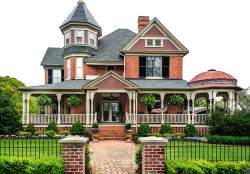
Many systems in historic homes need to be updated, for comfort and efficiency, but also safety. You might have a home that was updated with electricity, gas, or central heat and air, and most likely has had the plumbing updated in recent years as well. This is because old systems are less efficient and may be unsafe. Your national and local safety codes may require updates in order for the home to be insured or zoned properly. They may need to be updated in order to work with new water or waste systems, or in the case of the chimney, to reflect new knowledge of chimney and fire science.
It’s important to hire a professional when your home needs work, and a certified professional has a responsibility to report code violations, safety hazards, and any damage observed. This presents a problem where chimneys are concerned. Though chimney fires account for 25,000 house fires per year, homeowners continue to neglect professional chimney care, believing it a waste of money.
Historic Chimneys
All or nearly all chimney fires are preventable with routine chimney care and swift repairs when necessary. The problem with historic chimneys is that when fire safety codes are updated, it may require an update to old chimneys. When a homeowner purchases a historic home with an old chimney, and updates haven’t been made for many years, it may not be code-compliant. It’s our responsibility to bring the chimney system up to code. This is required by your municipal government, HOA, fire marshal, and homeowners insurance.
At Billy Sweet Chimney Sweep we take safety seriously, and it’s our goal that all our customers and neighbors are safe and warm this winter. That is why we offer routine chimney sweeps and annual inspections year-round, so you aren’t surprised by a repair in the fall. We recommend all systems be up to date and the chimney code-compliant before burn season, so we’ll complete your inspection and provide a report, so that plans can be made for repairs and updates.
Common Updates to Old Chimneys
We often see historic chimneys that have minor problems and need minor repairs, however, there may be major compliance issues with your chimney. Many historic chimneys have old and broken clay tile liners–or no liner at all, making it a fire hazard as well as a carbon monoxide safety risk. Smoke chambers are often missing or ill-shaped, and must be updated to reflect new standards. Your historic chimney may need to be rebuilt, restored, or renovated, and we specialize in this work, keeping the integrity of your historic home in mind.
These services cost money, take time, and require planning and patience, but in the end, your home will be more valuable and your family will be safer after your historic chimney is serviced.
Schedule chimney services with Billy Sweet by calling 617-469-4528.