by Billy Sweet | Dec 31, 2013 | Chimney Maintenance
Chimney Caps: Your Best Defense from Water Leaks
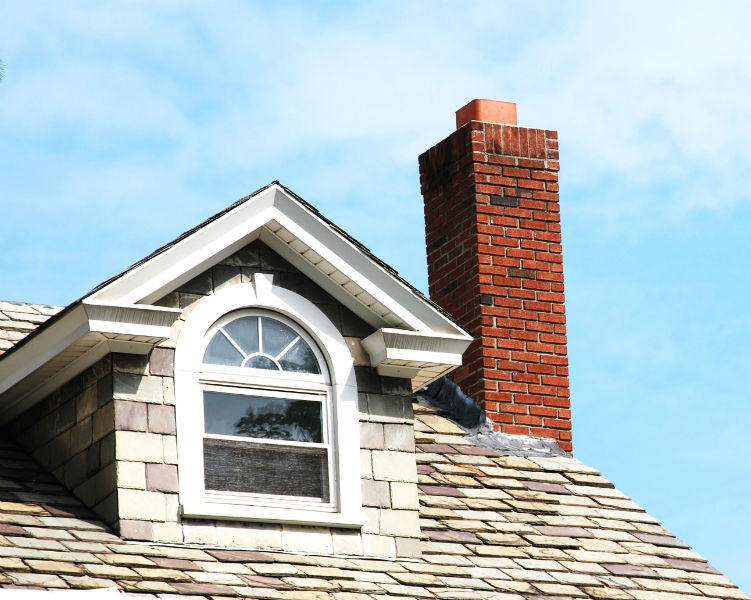
 Chimney leaks are a common problem in any home especially during seasons when rain is pouring non-stop. Leaks happen when water seeps inside your chimney. They occupy the little openings and cracks in the masonry walls and some go all the way down to the chimney flues and other major parts. A typical rainy day isn’t something to get all jumpy and panicky about, but if the problem is left unfixed, it will eventually cause a bigger problem for you in the long run.
Here at Billy Sweet Chimney Sweep, we want to thoroughly discuss with you the problem on leaks. Because this problem in particular is the main source of a lot of major problems in the house like carbon monoxide poisoning, molds and the gradual destruction of your chimney walls.
Preventing Leaks with a Chimney Cap
The main reason why leaks happen is the lack of having a chimney crown and chimney cap. They are your first and ultimate line of defense in protecting your chimney. They prevent external factors from getting in, most especially water which could damage your chimney’s walls and overall structure. This is the best way to waterproof your chimney and fireplace. Installing a chimney cap will definitely do the trick and will absolutely help your chimney be more efficient and it will last you more years than expected.
It’s always best to seek professional help in installing the chimney caps. It’s a no-no to do it yourself because before we even install a chimney cap or crown, we still have to inspect and survey the chimney for any other damage or repair it may need. We at Billy Sweet Chimney Sweeps make sure that your chimney is protected from any leaks, blockages or any occurrence of that sort. You might spend a few extra dollars but rest assured, it will be money well spent.
by Billy Sweet | Dec 10, 2013 | Chimney Maintenance
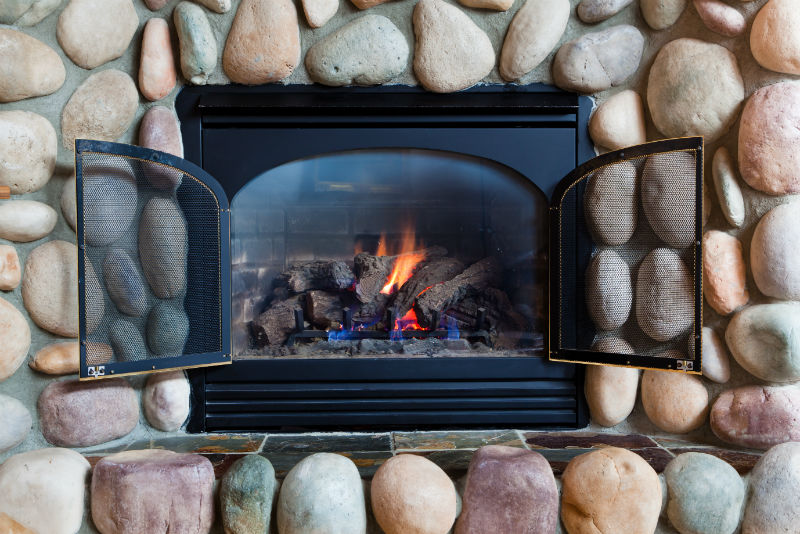
What’s so hot, bright red, and brings a jolly man into your home to deliver gifts to children all over the world? What also can have your whole home in danger within minutes? You got it, your fireplace and chimney. They are made up of many parts that function together to make one working unit. Whether you have a masonry fireplace or a factory-built structure, it is important that you maintain your chimney properly by having an annual sweep and inspection. If you ever have any questions, call up our friends at Billy Sweet Chimney Sweep.
Your chimney works well because all the parts are clean and able to ventilate all harmful gases out and heat in.
Types of Fireplaces
First, you must know what kind of fireplace you have. A masonry fireplace is the more traditional unit, with a firebox built of individual bricks and a brick chimney that sits on top of the roof. These structures are massive and weigh several tons. They will last a long time and require little maintenance other than the recommended yearly inspection. A prefabricated is different in both the materials used and the appearance. They are more modern looking and are built of metal. These units must be installed as they come in their set to not risk being unsafe. These units require much more attention and damage much more quickly.
The Inside of Your Fireplace
Now that you know about the outside of your chimney, let’s get a little deeper and learn about what goes on in the inside. Chimney crowns are important for protection because they eliminate water damage. This is important because when chimneys experience contact with water they can begin to mold or have mortar deterioration, causing the whole structure to begin to weaken. The flue and its liner should be working at top efficiency to make sure that exhaust gases are able to leave the home and reduce any kind of flammable debris from accumulating. The smoke chamber is also important because it is the part of the unit that compresses byproduct of combustion into the smaller space to eliminate any back draft. Chimney dampers help with regulating the electricity, because they make sure you do not lose any energy when the fire is not in use. If you ever find yourself experiencing problems within your chimney you should always call for assistance to make sure there is nothing seriously wrong that could harm you, your family, or your home.
by Billy Sweet | Nov 29, 2013 | dryer vent
What is Wrong with My Dryer?
Tired of hitting the “Start” button on your clothes dryer over and over to get your clothing dry? With all the things we have to do to maintain our homes, dryer vents often don’t even pop up on the radar. We’ll deal with the more pressing issues, like keeping our appliances working efficiently and replacing the roof when it starts leaking, when all the while lint is building up in our dryer vents, causing an unseen fire hazard that has cost many people their homes.
How do I know if my vents need to be cleaned?
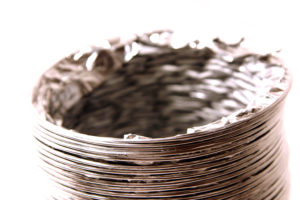 A good rule of thumb is to have the vents cleaned when you schedule your annual chimney maintenance. It’s a lot easier to remember this way, and gets two important things done at once. Here are some things to watch out for that could be telling you there’s a problem:
- Clothes drying slowly
- Lint behind dryer
- Clothes/dryer feel too hot
- Heat element in dryer burns out
- Water spots on walls
- Carbon monoxide alarm going off
But I clean my lint screen after every load!
Cleaning your lint screen before or after each load of laundry is an important practice that helps to reduce lint buildup in the ducts. This does a great job of slowing duct buildup down, but it doesn’t eliminate it. Lint still accumulates in the dryer hose, reducing the airflow and making the dryer work harder.
Dryers are now made to include switches that keep the temperature from running too high, but if you have lint clogging your dryer hose, it can wear the switch out and cause it to fail.
Still not convinced?
FEMA reports an average of 2,900 residential fires caused by clothes dryers, and the National Fire Protection Association recommends professional installation and maintenance of clothes dryers to ensure safe and proper functioning. Cleaning the vents doesn’t just remove a fire hazard from your home—it saves energy and increases the life of your dryer.
Cleaning dryer vents is one of the many things we are certified to take care of at Billy Sweet Chimney Sweep, so don’t hesitate to give us a call when it’s time for some maintenance.
by Billy Sweet | Nov 18, 2013 | Uncategorized, Wood Stove
Choosing the Right Firewood for Your Fireplace
Are you aware that, just like love that’s right for you, there’s the perfect wood for your fireplace too? Yes, your fireplace also requires attention and care. One way to do so is to burn certain types of wood that suits it and you. By carefully selecting the best wood, it can provide the most efficient fire to warm your cold days as well as ensure the safety of your home. You just have to find out what they are.
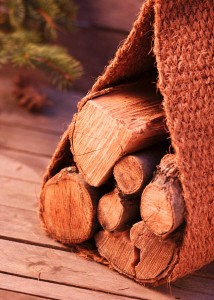
You should avoid wood that is wet or too green. Typically, wood needs to be seasoned for at least six months.
Points to Remember
It’s important to know that too much moisture in wood reduces its burning efficiency. The smoke that it produces cannot compensate the heat needed in the home and can cause the build-up of creosote in your chimney since it directly goes there. The harmful chemicals it contains can put your lives in danger too.
We all want the best type of wood especially during the holidays. There are those who prefer more heat and there are those who would rather want lower heat intensity. The wood plays a hand in the intensity of the flame. Another important note to remember, regardless of the type of wood and the characteristics it bestows, is that the wood should be seasoned. The drying process usually takes six to twelve months. Also keep in mind that in order to maintain the natural capability of the wood to produce fire, it has to be properly stored.
Types of Firewood
Trees are either hardwood or softwood. They both produce a limited amount of heat. Both can help you enjoy the rest of the holiday season with the exact warmth you desire. Depending on the kind of fire and the amount of heat you want, you can pick from among these well-seasoned wood.
Softwood can produce a crackling effect on your fire. The pop and crackle sound is something to look out for when the wood starts to burn. It has this vibrant aroma that is just right for the cold winter nights. Pine has all the characteristics a crackling fire needs. Just make sure there are protective screen doors so that no one is harmed when it starts to pop. Softwood can burn quickly, cleanly and more efficiently thus creating a quick burning fire. On the downside, it does not provide too much heat compared to that of hardwood. But there are some who prefer their wood that way. This type of wood can be ignited right away. Cedar and White Spruce are examples of wood used for this kind of fire.
Hardwood, on the other hand, gives off more heat because of its thickness. They have the highest British Thermal Unit content which doubles the output of heat compared to that of softwood. They burn more slowly thus bringing heat to the highest level possible. There is also minimal smoke produced with this type of wood. The only disadvantage of this type of wood is that it takes more time to ignite a fire with it. Some examples are Maple and Oak.
Regardless of the type of wood you prefer, it’s always best to make sure that your fireplace and chimney are intact and safe from any debris or damage. Annual chimney inspection and sweeping is highly recommended. If you are already looking for one, the certified experts of Billy Sweet Chimney Sweep is willing and ready to take care of your fireplace and chimney for you.
by Billy Sweet | Oct 27, 2013 | Chimney Maintenance, Fire Safety
More Than Throwing In Some Newspapers
Many people enjoy using their fireplace during the winter to enjoy a warm fire. However, there are many people who do not know how to properly build a fire. It may seem as though it is as simple as throwing in some logs and lighting a match. However, building a fire safely and properly takes a bit of skill. There are a few simple tips any homeowner can follow to build a safe, roaring fire in their fireplace.
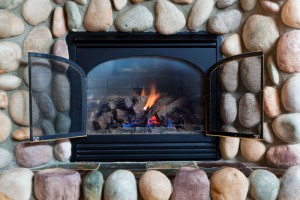
Even though you may want a fire so badly, you are tempted to use green or wet wood – it really hurts you in the long and short run. You’ll have a smoky fire and create additional fire hazards in your chimney.
One of the most important things to keep in mind before beginning a fire is that the fireplace and chimney must be kept clean. Before starting the fire, take a look into the chimney with a flashlight and make sure that there are no obstructions. In many cases, leaves or animals can make their way into the chimney and block it. If this happens, smoke will come right into the home instead of going out through the chimney, which can be unpleasant as well as unsafe for the family.
An essential first step to building a fire is one that many people tend to forget. Before doing anything at all, make sure that the damper is open. In most chimneys, this is done by simply pulling a small cord or handle. The damper opens up the chimney and allows smoke as well as other combustible gasses to exit the home safely. Leaving the damper closed is a common mistake and many people realize it only when the home begins to fill with smoke from the fireplace.
Once the chimney is clear and the damper is open, it is a good idea to prime the flue. When the damper opens, the flue will immediately fill with cold air. It must be warmed up gradually before it is safe to build a big fire in the fireplace. This is best accomplished by lighting a bit of newspaper and holding it under the flue. Once it becomes warm, it will be in perfect condition for a warm, cozy fire.
When building the fire, keep in mind that only certain materials should be burned in the fireplace. Some people choose to use coal but most find seasoned firewood to be the best choice. Before going into the fireplace, wood should be left out to season for about eight months to a year. If anything else is used, the consequences could be disastrous. The fire may burn too hot and fill the house with smoke, which could also lead to a chimney fire. Other materials may also create chemicals that are toxic to everyone in the home.
Of course, keeping the chimney and fireplace clean is an important part of home maintenance. However, it is a good idea to keep a layer of ash measuring about an inch on the bottom of the firebox. This insulates the firebox and helps to burn a strong, warm fire. After each fire, sweep out the fireplace but leave a small layer of ash behind to help insulate the next fire.
Following a few simple tips will not only keep a fire warm and cozy, but it will ensure that it is safe. Before doing anything, make sure that the flue is free of any blockages and that the damper is open to allow smoke out. Start the fire slowly and let it build to a safe and enjoyable glow.
 Chimney leaks are a common problem in any home especially during seasons when rain is pouring non-stop. Leaks happen when water seeps inside your chimney. They occupy the little openings and cracks in the masonry walls and some go all the way down to the chimney flues and other major parts. A typical rainy day isn’t something to get all jumpy and panicky about, but if the problem is left unfixed, it will eventually cause a bigger problem for you in the long run.