by Billy Sweet | Sep 29, 2014 | HeatShield
The fireplace in your home has steadfastly provided you with warmth and an ambient, crackling background on chilly evenings. In return, you have lovingly followed through with an annual chimney sweep to keep your fireplace functioning. Unfortunately, a sweep might not catch the hidden damages inside your chimney. The flue tiles lining the inside of your chimney suffer the most neglect because you cannot see them without a through video inspection of the inside of the chimney. If these tiles are cracked, missing mortar, or completely absent, you can have a serious safety hazard on your hands. Luckily, all of these issues can be easily resolved using the HeatShield system.
Flue tiles are heat resistant units that line the interior of your chimney. They protect the masonry structure from the smoke and heat and guard the combustible materials in your home from starting on fire. If the flue tiles in your chimney are damaged or missing, you are putting your safety at risk. The corrosive products of a burning fire can cause damage to the masonry structure, meaning that a burning fire is slowly deteriorating the integrity of your chimney. In addition, flue tiles protect the combustible materials in your home, like dry wall and wooden beams, from catching fire. In a study done by the National Bureau of Standards, a fire in a unit with an unlined chimney resulted in adjacent woodwork lighting on fire within 3 ½ hours.
To protect your home from structural or fire damage, you need to have a professional assess the condition of the flue tiles in your chimney and repair any damages with HeatShield. If your flue tiles are only missing mortar, the simple fix involves applying HeatShield flue sealant to the interior of the chimney using a custom made application blade.
The Resurfacing System is used for flue tiles with missing mortar and other superficial damages. The professional will apply a special primer to prepare the surface for the HeatShield, then a fine layer of HeatShield flue sealant will fill in all cracks, crevices and holes. Upon the final application, the flue lining is as good as new.
Finally, some chimneys are missing entire sections of flue lining or do not have a flue lining at all. Before burning a fire under this chimney, you need to have a professional install a HeatShield lining. First, a layer of HeatShield flue sealant is laid against the bare masonry. Next, custom fit steel fabric is fitted against the sealant. The final step is to apply another layer of HeatShield flue sealant over the steel mesh to form a strong, heat-resistant flue lining.
All of these applications must be performed by a professional chimney service certified to properly use HeatShield products. If you live in the North Shore or Boston, Massachusetts area or the Portland, Maine area, contact Billy Sweet Chimney Sweep for a professional consultation.
by Billy Sweet | Sep 15, 2014 | Chimney Maintenance
Your beautiful fireplace has always come through for you. It faithfully heats your home during brutal New England winters and creates a tranquil setting on a snowy evening. Even during the summer, the fireplace acts as a majestic focal point in your home. In fact, the fireplace may be credited with helping to convince you to purchase the home in the first place.
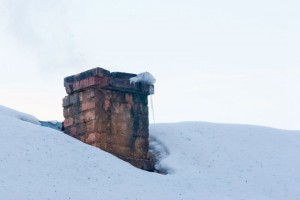
If you want to enjoy your fireplace for years to come, it will need proper maintenance. Most people have the chimney swept every year, which is a good practice but often not enough. The majority of homeowners neglect one piece of chimney care that might result in thousands of dollars in damage: winter effects.
With a masonry chimney, the exterior construction will consist of any material such as brick, stone, mortar or concrete. Additionally, the internal materials may include steel, cast iron or flue tile. Your chimney has some combination of these and each one, except stone, can experience damage after years of exposure to cold, snowy winters.
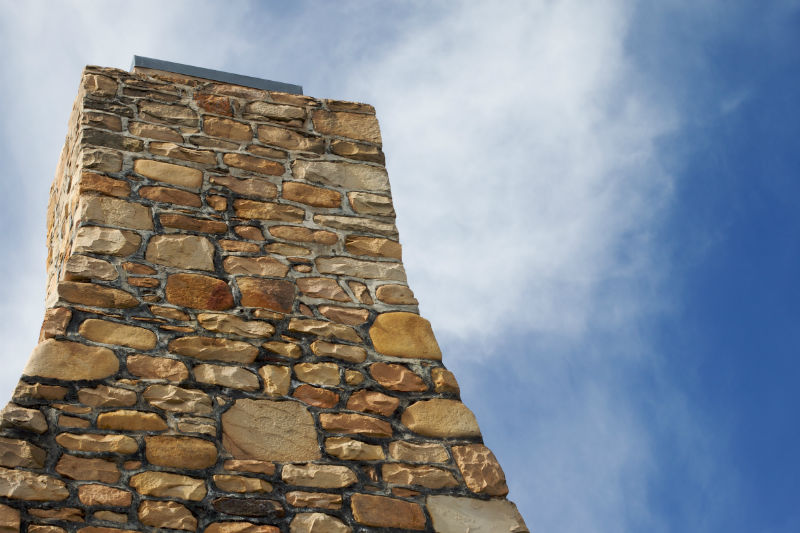
Brick, mortar and concrete are all very porous materials and will readily absorb water, which includes melted snow as well. When these waterlogged materials go through the freeze and thaw cycle of winter, they also undergo needless distress. This stress inevitably expands and weakens the structure, which leads to cracks or even collapse. While stone is immune to the freeze and thaw stress, if your chimney is made of stone, you still need to watch for water damage. The mortar securing the stones experiences the damages of freezing and needs inspection and repairs even if the stone is unharmed.
The melted snow can also leak inside the chimney, where the steel flue will rust. Now, water can infiltrate the inside of the masonry, which means further damage. If the water travels down the chimney, the damper apparatus eventually rusts, so the fireplace may fail to vent properly. The water may go on to cause more damage such as rusted fireplace face and doors, deteriorated hearth, and soaked ceilings or walls around the fireplace.
The cost of preventing these damages is much more reasonable than paying for the repairs. To properly prevent water damage from melted snow, you have a few options.
Water will first enter the chimney through the top. Having a chimney service install a chimney cap is a great, inexpensive way to prevent interior water damage. Some masonry chimneys also have a structure known as a crown. This concrete slab acts as a roof for the chimney to prevent water from leaking inside. Over time, the concrete will crack, so the crown may require patching or complete replacement to ensure proper water resistance. Another part of the chimney that may leak is the flashing, or the aluminum cover that seals the seam where the chimney protrudes through the roof. The flashing is sealed with tar, which may simply need to be redone. A good way to protect the outside of the chimney is to have a chimney service apply a sealant. The vapor-permeable sealant allows moisture to escape but prevent exterior water from entering the porous materials.
If you live in the areas of Boston, Massachusetts; Portland, Maine, or North Shore, contact Billy Sweet Chimney Sweep for a professional consultation. These experts will ensure your chimney and fireplace will hold up for many more winters to come.
by Billy Sweet | Aug 25, 2014 | Chimney Maintenance, chimney sweep
Now that summertime is coming to a close and the kids have returned to school, we can enjoy shift into fall. The time of year filled with changing colors, crunchy leaves and pumpkin carving has begun, in addition to the promise of cooler weather. While the first few days of fall might warm up in remembrance of a sizzling summer, the weather will eventually cool off. Before you know it, snow will cover the ground in the midst of a furious New England winter.
Usually, now is when everyone shuts off the central air conditioning and opens the windows to keep everyone comfortable in the house. For many, starting up the fireplace is a passing thought in the back of their mind, but sooner or later the time will come to build that first fire. These same people who fail to remember their fireplaces until high time must battle the busiest season to find a service person who is free to inspect and clean their chimney.
Instead of rushing right before your holiday get-together to have your chimney cleaned, schedule a date for regular maintenance now. Starting in fall, the chimney cleaning services are swamped, and it lasts through the holidays. Many companies book up several weeks in advance at this time, and as the weeks go by and the temperature drops, any snow and ice may make it impossible to get on the roof anyway.
Call Billy Sweet Chimney Sweep today to make an appointment to have your chimney swept and inspected. Billy Sweet Chimney Sweep works out of Eastern Massachusetts, Southern New Hampshire, and the Portland, Maine area.
This business provides reasonably priced chimney sweeping services in addition to inspections that meet the most up to date codes set by the National Fire Protection Association. Along with each inspection, Billy Sweet offers a courtesy video scanning of the inside of your chimney with Chim-scan products. You receive a comprehensive overview of the condition of your chimney with this closed circuit video inspection, and it aids you in making the right decision on repairs and updates.
You should have your fireplace and chimney inspected once every year, but especially if you recently moved into a new house, your fireplace has been inactive for an extended time or if you have run into any problems with the fireplace. The freeze-thaw cycle of a New England winter and any water leaks into the masonry may result in structural harm to the chimney, which needs to be inspected annually. If a fireplace has lay dormant for some time, such as since it was used last winter, pests like birds may have made a home of the chimney and created an obstructed vent. Lighting a fire in a fireplace with a clogged vent poses serious risks to your house and family.
With summer wrapping up and fireplace time quickly approaching, right now is the best time to make your chimney sweep and inspection appointment with Billy Sweet Chimney Sweep.
by Billy Sweet | Aug 10, 2014 | environment, firewood, wood burning, wood burning fireplace, wood storage, Wood Stove
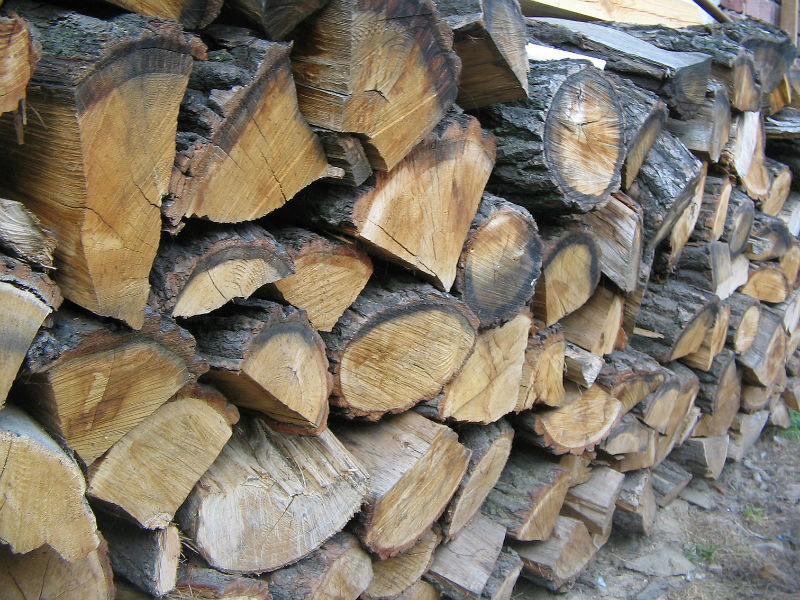
Wood-burning fireplaces serve several functions in the home – from practical to aesthetic. Sometimes the fireplace is used to heat the home, while in other cases it acts as a beautiful, focal point on special occasions. Either way, owners of wood-burning fireplaces generally love everything their fireplaces have to offer. Aside from the regular chimney maintenance, most home owners don’t put much extra thought into the specifics of their fireplace, including purchasing the wood for fuel. The goal is usually to find the cheapest wood that burns the longest, but more care should go into choosing the right firewood – especially where it comes from.
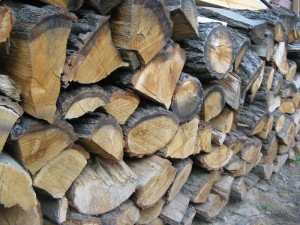
Always investigate the source of your firewood before you purchase to ensure it has come from a local source. The Don’t Move Firewood campaign says “local” means within a county or two of where you plan to transport, store and burn the firewood. If the firewood came from any further than a few counties away, find a more local source. At the same time, if you plan to travel more than a few counties away with your firewood, choose to purchase wood more local to your destination instead. Importing wood from a different area can have devastating environmental effects.
Firewood is a good representation of the ecosystem that it originated from. It often contains native species, such as insects, fungi and bacteria. Sometimes these species can be seen on the firewood, but more often than not, they’re invisible to the human eye. For the trees and other plant life in the ecosystem the firewood came from, these organisms generally do not cause serious ill effects. For thousands and even millions of years, the trees, insects, fungi and bacteria have lived and evolved together and have achieved a natural balance. By moving firewood out of its original area though, you introduce these organisms to an ecosystem unaccustomed to them, which can have serious consequences.
An insect, fungus or bacteria introduced to an environment it has never inhabited before is called a nonnative or invasive species. These organisms have no natural enemies in the new system, and before the environment has an opportunity to adjust to the invasion, the intruding species has had the opportunity to grow rapidly and further infiltrate the area.
One consequence of this fast overpopulation is that similar, native species are outcompeted by the invasive species for shared resources, resulting in a decrease in the native species’ population. Another consequence is the introduction of disease. For example, the Emerald Ash Borer – a beetle originally from Asia – was found in Michigan in 2002 after it was accidentally introduced there. The beetles do little damage to the Ash trees they inhabit, but the larvae inside the trees disrupt the tree’s ability to transport water and nutrients. Now, nearly every state in the eastern half of the United States has been affected and tens of millions of Ash trees have died. These beetles would not have traveled far on their own, but with the movement of firewood, logs and nursery trees, the damage has devastated the Ash tree population.
Countless other examples of this have occurred throughout the country and continue to occur as long as people refuse to keep firewood local. Trees and plant life are vital to the health of the environment for generations to come, so do your part to maintain the ecosystems around you by purchasing and burning firewood locally.
by Billy Sweet | Jul 22, 2014 | Chimney Maintenance, chimney sweep, damaged chimney, damaged masonry, spalling, Uncategorized
Did you know your chimney could sweat? Did you know that this process is actually very harmful to your chimney? Well now that it has been brought up, you must learn all the facts. When the bricks of your chimney sweat, spalling can start to occur. If you feel like this could be happening with your chimney, call the professionals at Billy Sweet Chimney Sweep.
What is chimney spalling and how is it caused?
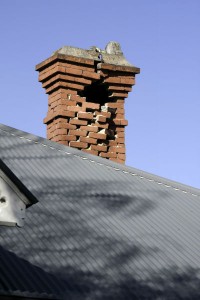
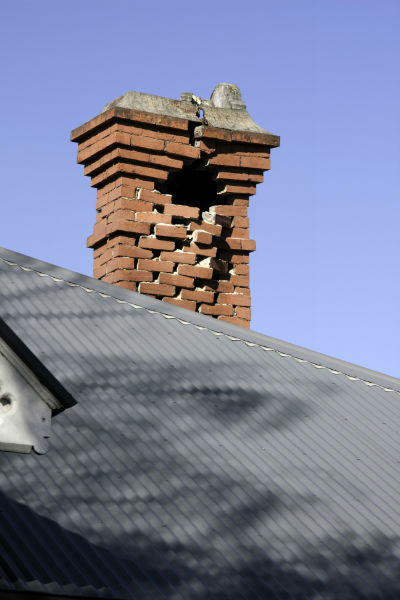
Spalling is what happens when the bricks or stones on your masonry chimney start to come off in flakes or start to go missing because of water penetration. One of the first signs is when you find random bricks on the ground or on your roof. Often times the main cause of spalling is when the water absorbed in the bricks from precipitation freezes and thaws. This can be worsened by the condensation of flue gases in liners that are not the right size, or gaps and cracks in the interior mortar joints. Also, spalling is made more prominent when extra water enters the interior by way of the chimney chase. Softer types of bricks are more likely to have moisture penetration, but are often used over harder types of bricks because they are more cost-friendly.
The chimney will be one of the first places that will show that it has damage since it is constantly exposed to the elements. The spalling will start with the top portions but once one part of the chimney starts to spall the whole inside has already been damaged. These bricks must be replaced since they are permanently damaged.
How can you prevent spalling?
There is no complete way to protect your chimney from water damage, but there are a few things that you can do to help. First, you need to have your chimney waterproofed. Your chimney technician can do that on any dry day after they sweep. The layer of sealant will need about six hours to dry so it is important to plan ahead. If you live somewhere where it rains often, you might look into having a second coat applied. Chimney caps are also another great way to help keep water out, as well as animals and leaves, but must be properly installed to be safe.