by Billy Sweet | Dec 31, 2014 | Neglecting Chimney Maintenance
At first glance, chimneys seem very robust. They live outside all year, exposed to the elements, and can withstand hundreds of degrees worth of heat, fire after fire. Despite all of this, however, chimneys do need some regular care to keep up with these high demands. Industry experts strongly recommend having the chimney swept and inspected at least once every year and for good reason. Failure to keep up with chimney maintenance can have some devastating consequences.
For wood burning fireplaces and stoves, the chimney will contain a buildup of a material called creosote. This black, tarry material clings to the surface of the chimney and can build up to the point of blocking air flow. Creosote is also highly flammable and is the cause of many destructive chimney fires. It burns at a much higher temperature than wood or gas, and once burning, it can be very difficult to extinguish. To keep your home and family safe, having a chimney sweep remove the creosote is imperative.
Debris found in the chimney can also take the form of an obstruction that reduces or blocks the flow of air. A common obstruction in the chimney is an animal and its nest. Warm chimneys attract small animals like birds, squirrels and raccoons that need a cozy space to wait out the winter. Unfortunately, this means trouble for the home owner. When the toxic fumes from the fire cannot escape through the chimney, they end up in the house. Not only does the creosote and soot leave messy, black residue on walls and furniture, but this lack of ventilation can actually be dangerous. Carbon monoxide, a product of combustion, can cause death when inhaled in high enough concentrations. It also has no color, smell, or taste, making it impossible to detect without relying on a special detector. To avoid the dangers of carbon monoxide from the fireplace, have a chimney sweep out every year.
Chimney inspections should also be done every year. The inspector examines the chimney from inside the house and from the roof to determine its structural soundness. A common problem that inspectors uncover is water damage. In a masonry chimney, water can enter the brick and mortar and cause cracking or even collapse. In all types of chimneys, water can also cause damage to the interior. If the flue lining is made of metal, water exposure can lead to rusted cracks or holes, which then exposes the house to further water damage, carbon monoxide leaks, and potential house fires. A simple inspection could determine if the chimney cap needs to be replaced, which can prevent these problems most of the time.
All in all, failure to keep up with chimney maintenance could cost you money in repairs, your house, and even your life. Instead of risking it, just call to schedule your annual sweep and inspection today. If you live near Boston, Massachusetts or Portland, Maine, contact Billy Sweet Chimney Sweep to speak with a professional.
by Billy Sweet | Nov 30, 2014 | Full Chimney Rebuild
All parts of a home will eventually need an upgrade because time wears down everything. Older homes, which are very common all along the east coast, generally need these updates sooner rather than later. Everything from contemporary style updates to energy savings updates can help bring an older home into the modern world. For homeowners looking ahead to the chilly winter, an update to the chimney or fireplace may be next on the to-do list.
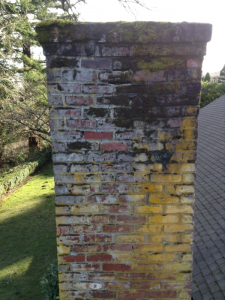
Chimneys can require a rebuild for a number of reasons, but the most common issue involves a partial or complete collapse of the chimney. Collapse occurs when the structure of the chimney has degraded, often due to long term exposure to harsh weather. Masonry chimneys, in particular, can suffer negative effects from weather. The materials used to construct a masonry chimney – brick, concrete, and mortar – all have a very porous nature, meaning they readily absorb water. Absorbing water alone does not have damaging consequences, but when the temperatures drop below freezing, the issues begin. In freezing weather, water undergoes a freeze and thaw cycle in which it continually expands and contracts. The bricks and concrete saturated with water also contract and expand with the water inside, and this results in degraded materials over time. First, the mortar will crack and fall from between the bricks, and the concrete will split. Then, the bricks come loose, and the entire structure loses its integrity. Eventually, the chimney could collapse.
Other problems that may result in a chimney rebuild include earthquakes and chimney fires. Earthquakes can cause irreparable structural damage to the chimney, and older chimneys usually do not have the stabilizing steel rebar that modern chimneys use to protect against this type of impact damage. The rebuilt masonry chimney would contain this rebar to stabilize the structure in case of future earthquakes. Chimney fires can also necessitate a rebuild, especially with older masonry chimneys. These chimneys often utilized clay or mortar chimney liners, which crack and split under the heat of the fire. This destroys the protection provided by the chimney liner and undermines the strength of the structure overall.
While a full chimney rebuild may not seem ideal from the homeowner’s point of view, if only for the cost of it, this process could mean the difference between a safe fireplace and a hazardous one. In order to make the rebuild process easy and effective, a chimney expert must be employed. This ensures proper and safe construction that meets safety codes. If you live in the area of Boston or North Shore, Massachusetts or near Portland, Maine, you can get in contact with Billy Sweet Chimney Sweep for a rebuild inspection and consultation.
by Billy Sweet | Oct 30, 2014 | Chimney Draft Problems
November has begun, which means fall is closing in on its halfway point already. Especially in the northeast, this means less daylight and colder temperatures. Most people have given up on wearing sandals and shorts, and instead, they do not leave the house without at least a jacket and a scarf. Homeowners have likely resorted to heating up their homes at least once this season, and for those with fireplaces or stoves, that may mean lighting up a toasty fire. While many people have a basic idea of how the chimney works, using the fireplace most effectively might require a little more knowledge. Specifically, if you want to save more money by avoiding draft problems with your chimney, you may want to read on for how to catch the problem and resolve it.
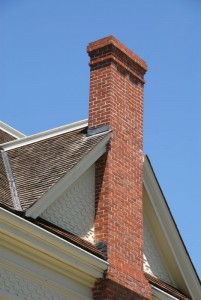
Chimneys function based on the idea that hot air rises. When a fire has been lit in the fireplace, the hot gases produced by it are less dense than the surrounding air, so the hot air moves up through the chimney. Fires are generally burned during the fall and winter seasons, so the riding hot air eventually meets the colder, denser, outside air somewhere in the chimney. This pressure differential results in an upward pull on the air, creating an air flow known as a “draft.” The draft pulls the air from the home into the fire, fueling it with oxygen, and then sends the smoke and gases from the fire outside through the chimney. When this process does not happen properly, you run into what is known as a draft problem.
Draft problems can occur for a few different reasons, but no matter how you spin it, they cost you money. One common draft problem is an oversized chimney. With older fireplaces especially, large chimneys are a common problem. The wider a chimney is the more space the hot air can spread out in, which means the air cools faster and rises slower. With the rise of air significantly slowed down, the pull of the draft loses its strength. This can cause your fire to burn at a cooler temperature or even go out completely. Your mason can remedy this problem by determining the proper chimney width your fireplace and chimney require and installing a flue lining to match.
A chimney that is too short can also cause a draft problem. The taller your chimney is, the more powerful the draft will be. Therefore, if your chimney is too short, a common issue in older bungalows or ranch homes, it cannot create an adequate draft to keep a strong, hot fire going. While this issue is more expensive to address, your mason can walk you through the process of adding height to your chimney. This will save you money in the long run by preventing cold air from creating a draft going into your home instead of out.
If you worry about draft problems costing your money in your home, contact your local mason today. The area of Boston and North Shore, Massachusetts and Portland, Maine are all served by Billy Sweet Chimney Sweep, so if you live in one of these areas, contact Billy Sweet for a professional consultation.
by Billy Sweet | Oct 15, 2014 | Masonry Chimney
The autumn weather has arrived in full force. The chilly wind has colorful leaves falling from the trees and has everyone digging up their cozy jackets. This time of year also has homeowners thinking about how to heat their homes. In the frigid New England winters, this is a big concern. Many homes utilize fireplaces for some or even all of their heating needs. With a fireplace, however, comes some maintenance responsibilities. Fireplaces with masonry chimneys, in particular, are prone to specific types of issues, so you need to keep an eye out for the safety of your home and family.
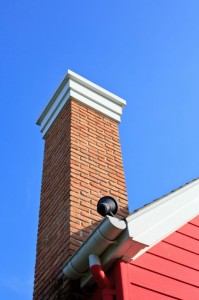
A major issue that masonry chimneys face is water damage. Many homeowners never even consider that their strong, robust chimney could ever succumb to damage from a little water. Chimneys are built to live outside, after all. Unfortunately though, water can cause serious problems. The materials used to build a masonry chimney like brick, mortar, and concrete are all very porous, meaning they readily absorb water. While stones do not absorb water, the mortar holding them together does. The trouble with a masonry chimney filled with water occurs during the freeze and thaw cycles of winter. The water expands as it freezes, which means the bricks, the mortar, and the concrete all expand as well. Over time, this expansion causes damage.
You may see water damage in several different forms. The first clue is cracked or missing mortar. The constant movement of the materials during freezing weather loosens the bonds of the mortar. Thus, the mortar wiggles its way out from between the bricks, appearing as a crack or as a decent sized hole. A mason can usually fix isolated mortar cracks or holes using a process called tuckpointing.
Another sign of water damage is a cracked chimney crown. This concrete slab on top of your chimney acts as an umbrella to keep water from entering the flue. If it has cracks from water damage, water is entering your chimney, which leads to a whole new set of problems. Ask your mason if he can patch the cracks. Otherwise, the chimney crown may need to be completely replaced.
The most devastating sign of water damage to the chimney is partial or total collapse of the structure. This most likely occurs after years of exposure to water and freezing temperatures, but a poorly built chimney could suffer from collapse in less time. Chimneys are very heavy, meaning a collapse could be a danger to anyone on the ground and to the structure of your home. Any signs of a collapsing chimney must be addressed by a mason right away.
Luckily, you can take some steps to prevent water damage, like sealing your chimney and adding a chimney crown. Ask your mason what can be done to protect your chimney. If you live in the Boston or North Shore area or around Portland, Maine, contact Billy Sweet Chimney Sweep for a professional consultation. The experts at Billy Sweet Chimney Sweep can help make your chimney last for many more years.
by Billy Sweet | Sep 15, 2014 | Chimney Maintenance
Your beautiful fireplace has always come through for you. It faithfully heats your home during brutal New England winters and creates a tranquil setting on a snowy evening. Even during the summer, the fireplace acts as a majestic focal point in your home. In fact, the fireplace may be credited with helping to convince you to purchase the home in the first place.
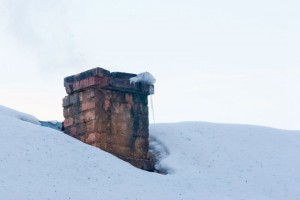
If you want to enjoy your fireplace for years to come, it will need proper maintenance. Most people have the chimney swept every year, which is a good practice but often not enough. The majority of homeowners neglect one piece of chimney care that might result in thousands of dollars in damage: winter effects.
With a masonry chimney, the exterior construction will consist of any material such as brick, stone, mortar or concrete. Additionally, the internal materials may include steel, cast iron or flue tile. Your chimney has some combination of these and each one, except stone, can experience damage after years of exposure to cold, snowy winters.
Brick, mortar and concrete are all very porous materials and will readily absorb water, which includes melted snow as well. When these waterlogged materials go through the freeze and thaw cycle of winter, they also undergo needless distress. This stress inevitably expands and weakens the structure, which leads to cracks or even collapse. While stone is immune to the freeze and thaw stress, if your chimney is made of stone, you still need to watch for water damage. The mortar securing the stones experiences the damages of freezing and needs inspection and repairs even if the stone is unharmed.
The melted snow can also leak inside the chimney, where the steel flue will rust. Now, water can infiltrate the inside of the masonry, which means further damage. If the water travels down the chimney, the damper apparatus eventually rusts, so the fireplace may fail to vent properly. The water may go on to cause more damage such as rusted fireplace face and doors, deteriorated hearth, and soaked ceilings or walls around the fireplace.
The cost of preventing these damages is much more reasonable than paying for the repairs. To properly prevent water damage from melted snow, you have a few options.
Water will first enter the chimney through the top. Having a chimney service install a chimney cap is a great, inexpensive way to prevent interior water damage. Some masonry chimneys also have a structure known as a crown. This concrete slab acts as a roof for the chimney to prevent water from leaking inside. Over time, the concrete will crack, so the crown may require patching or complete replacement to ensure proper water resistance. Another part of the chimney that may leak is the flashing, or the aluminum cover that seals the seam where the chimney protrudes through the roof. The flashing is sealed with tar, which may simply need to be redone. A good way to protect the outside of the chimney is to have a chimney service apply a sealant. The vapor-permeable sealant allows moisture to escape but prevent exterior water from entering the porous materials.
If you live in the areas of Boston, Massachusetts; Portland, Maine, or North Shore, contact Billy Sweet Chimney Sweep for a professional consultation. These experts will ensure your chimney and fireplace will hold up for many more winters to come.