by Billy Sweet | Nov 12, 2015 | CSIA Certification
When faced with deciding who is actually right and qualified for a job, it is important to look at the certifications of the company and their employees before settling. That mindset applies to doctors and dentists, and it certainly applies to chimney sweeps. In our field, receiving a CSIA (Chimney Safety Institute of America) certification not only gives us the best training in properly cleaning your chimney, it also educates on the best responses to worst-case scenarios like carbon monoxide and chimney fires. Knowing that your chimney sweep has the best qualifications will make Billy Sweet Chimney Sweep the easiest choice for you!
What we do as a profession was largely unregulated until 1983, when the CSIA was founded. This not for profit organization aims to educate not only those in our field, but also the public on how to maintain and correct any hazards their chimney or venting system may present over time. To become certified, there are two exams based on a comprehensive review time that can happen in person or online. Once those exams are completed thoroughly, a code of ethics is signed to ensure that sweeps can be trusted with the public’s safety. That also is tested through educational classes that discuss upcoming technologies and hard to grasp concepts, like physics through a certified sweep’s entire career.
The CSIA has several goals for their chimney sweeps including the need to fully eliminate any chimney related hazards that could threaten property, pets, and especially human lives. These hazards could come from carbon monoxide or chimney fires from creosote buildup. As certified chimney sweeps, we have several areas of knowledge that are all connected to the main purpose of prevention and education. Besides the basic practice of what we do, cleaning and inspecting chimneys and venting systems, we also involve ourselves with all the minutiae. Knowing all the factors and physics in the development of creosote, as well as the requirements from the EPA (Environmental Protection Agency) easily separate CSIA certified professionals from the companies that simply have the physical tools for the job. Our continuous education on a comprehensive list of subjects gives us confidence in our practice as well as in our sharing of that knowledge with our customers. We want our clientele to know what to expect from their chimney sweep, and we embrace the challenge to aim higher and know more!
We want anyone looking for a chimney sweep to look first at those that are CSIA certified. Not only are they more educated on what’s important, but they also care more about the home and people that are associated with the chimney. Thank you so much for choosing Billy Sweet Chimney Sweep as your CSIA certified sweeps for over 30 years!
by Billy Sweet | Sep 26, 2015 | Proper Ash Disposal
Everyone knows ash to be the most obvious build up that a fire produces, the result of burning wood. But at what point does the ash need to be disposed of? Probably more often than a person would think. Protect yourself and help your plants with these instructions for the correct way to dispose of ash.
According to the Chimney Safety Institute of America (CSIA) it is actually a good thing to keep about an inch of ash beneath the grate of your fireplace to insulate hot coals and produce more heat during the winter season. While it does protect the bottom of the firebox and help the coals produce extra heat, too much of it can not only take precious space away from warmth-producing coals, it can be downright dangerous. Even ash that appears to be fully cool can fall onto nearby carpet or rugs and potentially start a fire.
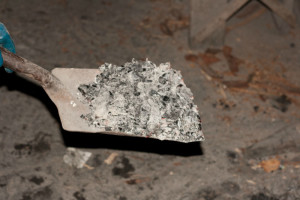
The best way to dispose of excess ash is to wait at least a day after a fire was lit in the firebox before handing it. If that isn’t possible, wearing protective gloves when handling the bucket and shovel will minimize your risk of being burned. Gently scoop the ash from the firebox and place it in the bucket, leaving any hot coals and a thin layer of ash remaining. This will make your next fire easier to start. Carefully place the bucket in an area clear of any flammable material and away from kids or animals that may be tempted to play in the soft-looking pile. If possible, place a lid on top of the bucket to starve the hot ashes of oxygen, making them cool quicker. Sand will provide a similar reaction, but a lid is more easily accessible for most.
After three days, dispose of the ash in a paper or plastic garden bag. Sprinkling ash in your garden can be beneficial in small quantities, but don’t go crazy. Ash is very alkaline, so too much will change the pH of the soil, and kills your plants.
Besides just trashing your leftover ashes, there are several other alternatives to make use of them. Use your cool ashes to gently exfoliate the glass doors of your fireplace and remove that unattractive residue. If your pet gets into something smelly, rubbing ash on their coat will neutralize any gross odor. In the winter, pouring ash on your driveway and sidewalks melts ice and isn’t as harmful to the soil and concrete as salt is.
We want to ensure that everyone is safe and cozy this fall, and removing the ash from your firebox regularly is a key factor in ensuring that. When we come to sweep and inspect your chimney we will check the firebox to make sure it is in top working order. Give us a call to schedule!
by Billy Sweet | Aug 13, 2015 | Chimney Video Inspection
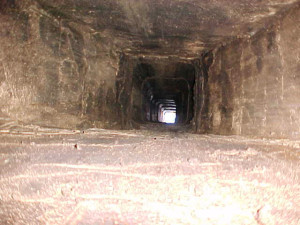
During a routine chimney inspection, it is difficult to understand fully what takes place as your chimney sweep explores the inner and outer cracks and crevices of your fireplace. Here at Billy Sweet Chimney Sweep, we don’t depend solely on a flashlight and a gut feeling like many sweeps do. We use the most updated technology available: a full video inspection of the innards of your chimney to ensure it is in the best shape it can be in for the upcoming fall and winter seasons.
Why is a video inspection needed?
According to the National Fire Protection Association (NFPA) and the Chimney Safety Institute of America (CSIA), a level one inspection of a chimney requires not much more than common tools and a flashlight to look at the basic structure and condition of your chimney. It is a straightforward exam at first glance. Looking for cracks that may have developed due to temperature and water level fluctuations in the masonry, as well as any excess condensation or creosote buildup is all part of the normal examination. The reason for a video inspection is simple: The camera can look at areas of your chimney that a flashlight, and therefore human eyes, are not able to. Using the Chim-Scan camera system and Wohler Vis2000-Pro, cracks and leaks, as well as presence of excess soot or other debris, are easily identified and addressed, whereas a flashlight’s beam may not make fully aware the issue.
When should I get it inspected?
Now is the time. The status of your chimney is very important to us and it is necessary to get it swept and inspected before it becomes starts being of use in the cooler months. Leaving buildup and cracks from the previous seasons can be a safety hazard as well as harmful to your chimney’s lifespan in the long-term.
Regardless of the nature of the appointment with us, we will inspect every chimney with our camera system because we want everyone to have peace of mind when it comes to the safety of the entire family. Testing for carbon monoxide is a standard practice for us, and one that we will do free of charge at every inspection. We care about your safety and we will go the extra step, every time.
by Billy Sweet | Jul 6, 2015 | Capped Chimney
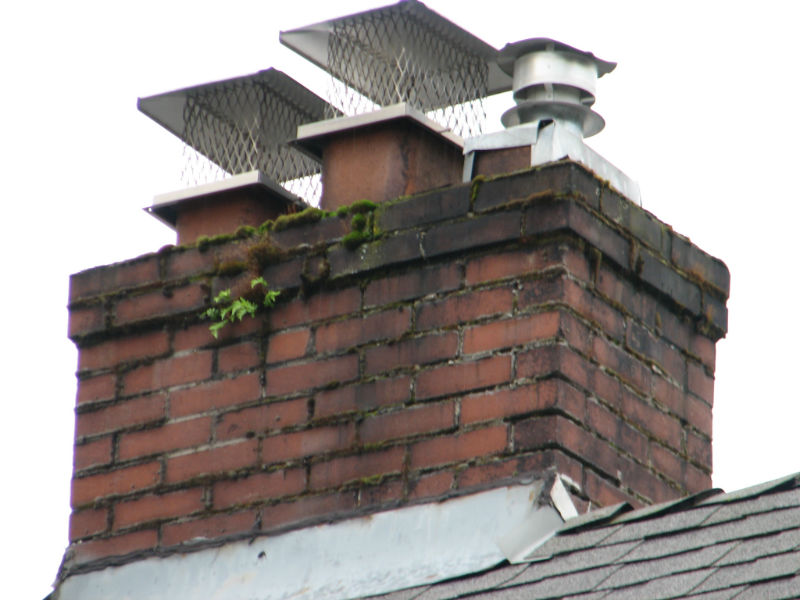
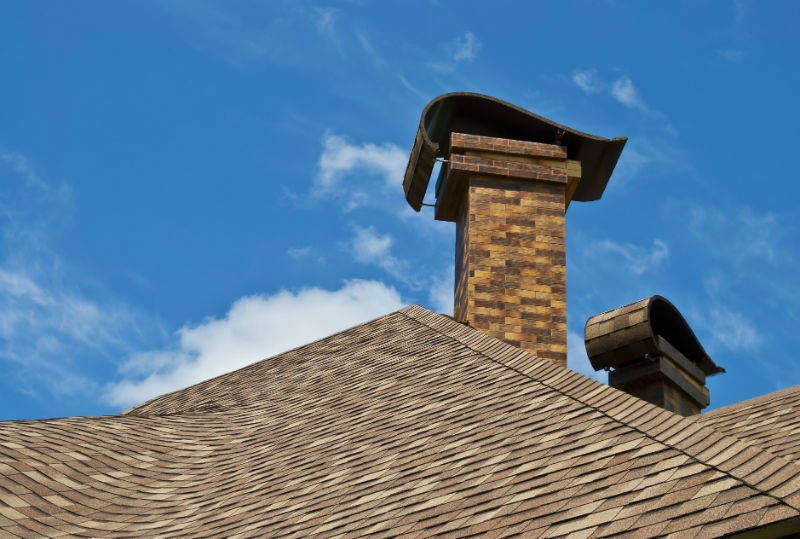
When you consider the safety and efficiency of your fireplace unit, you might forget one of its most important elements: your chimney cap. Many homeowners and consumers fail to recognize the vital protective measures offered by a functioning chimney cap; they might also be unfamiliar with the tell-tale signs of an issue with their caps.
A chimney cap is a small, relatively inexpensive addition to your home’s fireplace system, yet offers an important degree of protection from various threats.
A chimney cap prevents critters, wind-borne debris, moisture and other elements from entering your chimney and home. It also prevents burning embers from escaping through your chimney and landing on your roof, causing a potential fire. It’s important to ensure that your chimney cap is in proper working order before colder weather arrives.
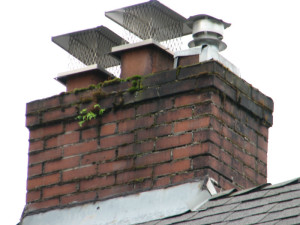
Here are a few signs that your chimney cap needs repair or replacement.
Moisture
Moisture causes more damage to fireplaces each year than mismanaged fires, and, left unchecked, has the potential to cause serious, irreparable damage to your unit and home.
If you notice dripping or pooling water in or around your fireplace, moisture has gained an access point in your chimney, and you need an immediate inspection. A working chimney cap will prevent excess moisture from accumulating in your chimney and home.
Drafting Problems
If you notice that your chimney isn’t venting properly or is sending excess smoke into your home, you might have a broken chimney cap that is allowing blockages to build up in your flue.
If your chimney cap becomes clogged with creosote or debris, it won’t vent properly and will send smoke and particulates from the burning fire back into your home.
There are many dangers attached breathing this contaminated air, including smoke damage to your home and severe illness.
Critters or Debris Entering Your Fireplace
Another of the main functions of your chimney cap is to prevent animals or debris from entering your chimney and causing blockages or creating disturbances in your home.
Squirrels, raccoons and birds will often mistake an uncapped or open chimney for a hollow tree; they often get stuck inside the chimney or decide to build a nest in the space, creating a very dangerous situation for themselves and the homeowners.
If you hear frantic scratching or clawing in your fireplace, you may have an issue with a trapped or nesting animal. This is a sign that you chimney cap has significant damage and needs to be replaced or repaired.
Additionally, if you notice leaves, sticks or other debris gathering in your fireplace, your chimney cap is not working properly and needs to be repaired or replaced.
Ensuring That Your Chimney Cap Is In Working Order
If you’ve noticed any of these issues with your fireplace, it’s important that you have your chimney cap inspected by a professional.
A certified chimney inspector will ensure that your chimney cap is in working order, that there are no issues with venting and that you can safely use your fireplace without fear of hazards.
It is recommended that you have your chimney inspected once a year by a certified chimney sweep. Because fall is the most popular time for chimney inspections, you might consider making your appointment before the rush, to avoid delays or wait times.
Billy Sweet Chimney Sweep serves all of the Boston area with professional, certified chimney inspection and installation services.
Call today for an appointment.
by Billy Sweet | Jun 30, 2015 | Summer Chimney Sweeping
Summertime is here, and homeowners are switching on the A/C, spending time outdoors and searching for ways to fight the heat. It’s no surprise that the state of your fireplace is probably the last thing on your mind; after all, you won’t be utilizing it again for at least a few months.
Once September rolls around, however, the temperatures can drop sharply, leading homeowners to consider utilizing their fireplaces for warmth and relaxation.
Unfortunately, many homeowners are unaware of the importance of having their chimney swept before starting that first autumn fire.
Check out these important reasons to get your chimney swept before the fall.
Avoid the Rush
Once fall arrives, chimney sweeps are very busy; their schedules are typically backed up for days or even weeks at a time. Waiting until fall to schedule your sweeping could mean a long delay or having to shop around for another company that can accommodate you.
You can avoid the rush by getting your chimney swept before fall arrives. You won’t have to wait for an opening, and you can head into the colder season knowing your fireplace is ready for use.
Prevent Chimney Fires
Your chimney functions as the avenue through which dangerous flue gases and other fireplace by-products can pass safely out of your home.
These by-products include water vapor, hydrocarbon, wood particles, smoke, and tar fog, among others. As these by-products flow up through your chimney and mingle with the cooler temperatures at the top, condensation occurs, resulting in a tar-like coating on the walls of your chimney known as creosote.
Creosote is highly combustible, and building a fire in your fireplace when it has an excess buildup of creosote on its walls puts you at serious risk for a chimney fire. Getting your chimney swept regularly, and especially after a long summer of not using your fireplace, is the easiest way to get rid of creosote and prevent a chimney fire.
Prevent Unpleasant Odors
One of the main reasons homeowners invest in a fireplace is to add ambiance and luxury to their home; unfortunately, for homeowners who fail to keep their chimney clean, an unpleasant odor may begin seeping from their fireplaces into their homes during the summer months.
The heat and humidity of summer weather can cause reactions in the creosote and by-products of a dirty chimney, causing the emission of a sour, burnt odor that no homeowner wants to experience.
Getting your chimney cleaned during the summer can help minimize the presence of these bad odors and keep your home clean and comfortable.
Prevent Life-Threatening Gases from Accumulating in Your Home
A blocked or malfunctioning chimney is one of the leading causes of the accumulation of carbon monoxide in homes; in fact, carbon monoxide poisoning is responsible for 200 deaths in the United States each year.
It is essential that you get your chimney swept on a regular basis, to ensure that your flue is venting and functioning properly. A regular sweeping will also prevent the accumulation of creosote, acidic water vapors and soot that can cause chimney blockages and thus the dangerous accumulation of noxious, life-threatening gases in your home.
Extend the Life of Your Fireplace
The accumulation of fire by-products in your chimney can cause damage to the structure of your chimney, your home and your fireplace. You’ve made an expensive investment and deserve to enjoy its benefits for years to come.