by Billy Sweet | Jan 27, 2016 | Fire Safety
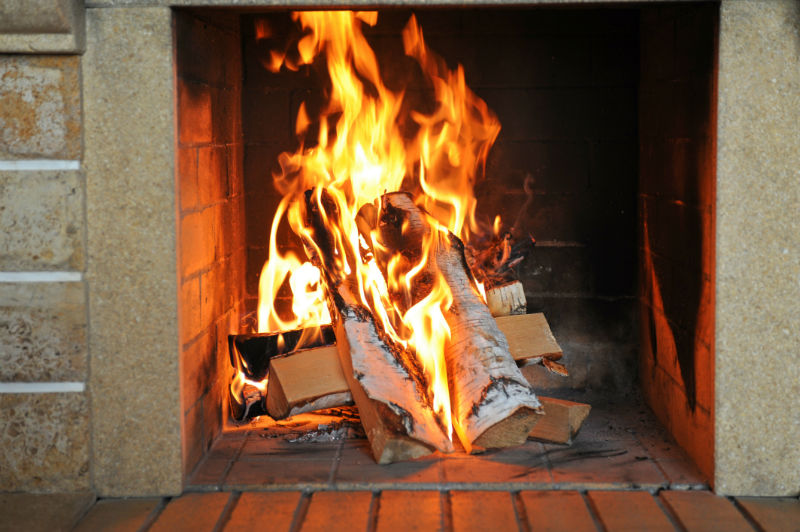
1. Cut or purchase wood that is properly seasoned. This means it is cut and set aside to dry before used as firewood. Soft wood can dry for around six months, but hard wood should be left to dry for up to two years.
DON’T burn wood that isn’t properly seasoned. Doing so can raise the amount of creosote that accumulates in your chimney interior causing obstruction and chimney fires. Burning wet or green wood can also cause particle pollution in your home, which can lead to allergies or other health problems.
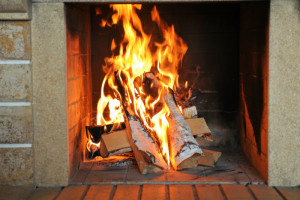
2. Have your chimney inspected and swept by a professional. “The U.S. Consumer Product Safety Commission, the U.S. Environmental Protection Agency, the National Fire Protection Association, and the American Lung Association – are some of the organizations that now encourage the regular maintenance of home heating systems and their chimneys in order to keep “the silent killer” at bay.” Read more about how your chimney can affect your health at the Chimney Safety Institute of America (CSIA).
DON’T try to clean your chimney yourself. Our chimney sweeps here at Billy Sweet’s Chimney Sweep are licensed, insured, and CSIA-certified. You cannot ensure the safety of your chimney unless it is inspected by a professional before wood-burning season.
3. Ventilate your home or business while your fireplace is in use. As gas is released through the chimney it changes the pressure in your home. Air pulled through the chimney is drawn from the house, and if the air isn’t replaced, the chimney may not work properly. This can be remedied by leaving a window cracked somewhere in the home.
DON’T operate large appliances that compete with your chimney for air or open you furnace door while ceiling fans or ventilation systems are running. When your fireplace works correctly, your heating system is more efficient.
4. Use proper kindling to start your fire. If there aren’t remaining embers in your furnace or fireplace, you should be able to ignite a fire using kindling and a small amount of paper.
DON’T use flammable fuels to start a fire. The vapor can ignite and start a chimney fire, or a house fire. If you use artificial logs, don’t treat them as real logs. Carefully read warning labels and instructions before putting artificial logs into your fireplace or furnace.
5. Feed your fire regularly to keep the fire at a steady temperature. This is the most efficient way to use a fireplace or furnace for home-heating.
DON’T overload your fire. Overloading your fireplace or furnace can overheat the walls around the furnace or fireplace and possibly damage the chimney.
Safety is Our Priority
Your fireplace is no laughing matter. According to the National Fire Protection Association Fire Analysis and Research Division “in 2011, an estimated 19,500 reported home structure fires involving fireplaces, chimneys and chimney connectors.” Click here for more tips to prepare your fireplace for winter weather.
At Billy Sweet’s we don’t want your business as the result of a chimney fire! We want your home or business to be safe this winter.
by Billy Sweet | Jan 14, 2016 | chimney sweep, Winter Chimney
Some parts of the country may be experiencing record highs, but if you live in the Boston area, North Shore, or the Portland area, winter is inevitable. Have you done everything needed to prepare your chimney and fireplace for the upcoming rough weather? Let Billy Sweet Chimney Sweep help! Our Chimney Safety Institute of America (CSIA) certified chimney sweeps provide comprehensive chimney and fireplace care and know just what it takes to keep your chimney system looking and working great all winter long.
It All Starts With A Thorough Inspection Performed By A CSIA-Certified Sweep
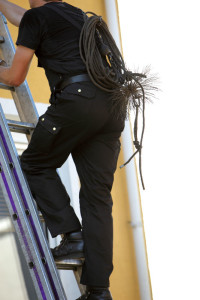
When we’re called upon to get your chimney and fireplace ready for the next burn season, the experienced technicians here at Billy Sweet Chimney Sweep come equipped with state-of-the-art equipment so we can analyze the system and make sure it’s still in peak condition. We start with a thorough inspection, using video scanning technology to check both the interior and exterior components of your chimney system for damage, blockages, or other problems that could interfere with the safety and efficiency of your chimney and fireplace. Most chimney and fireplace damage is the result of an undetected or unrepaired leak, improper construction, animal tampering or intrusion, or time and use. Some of the most vulnerable or damage-prone areas are:
- Chimney Crown
- Chimney Cap
- Chimney Masonry
- Damper
- Firebox
- Smoke Chamber
- Flue Liner
We’ll also check the connected appliance (be it a fireplace, a stove, or an insert) and make sure that everything is properly connected and functioning efficiently. We’ll make note of any flaws or defects, weak points, or areas of concern so you know just what needs to be done and where before lighting up a fire.
Request An Appointment With The Team You Can Trust
Whether you have a stove, a fireplace, or an insert, it’s important that you schedule an annual inspection with a CSIA-certified chimney sweep prior to your first fire of the year. Our team will carefully evaluate your system, clean it from top to bottom (if needed), and make any necessary repairs to restore your system so you can enjoy it all winter long. If you haven’t scheduled your appointment yet, give us a call! We’ll make sure your chimney and fireplace are in great shape and ready to keep you warm, no matter how brutal this winter turns out to be. Call or click to request your appointment today!
by Billy Sweet | Dec 26, 2015 | Creosote
If you have a fireplace, you likely know that creosote can be a hazard to your home and family. You probably also have your fireplace swept by a certified chimney sweep each year to remove any creosote buildup from your chimney, and perhaps you even burn the occasional creosote sweeping log to help maintain your chimney. But how much do you know about creosote, how it forms, the dangers it poses and how you can keep it at bay? We’ve put together some basic information on creosote so you can better protect your home and family.
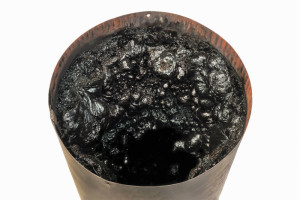
What is creosote?
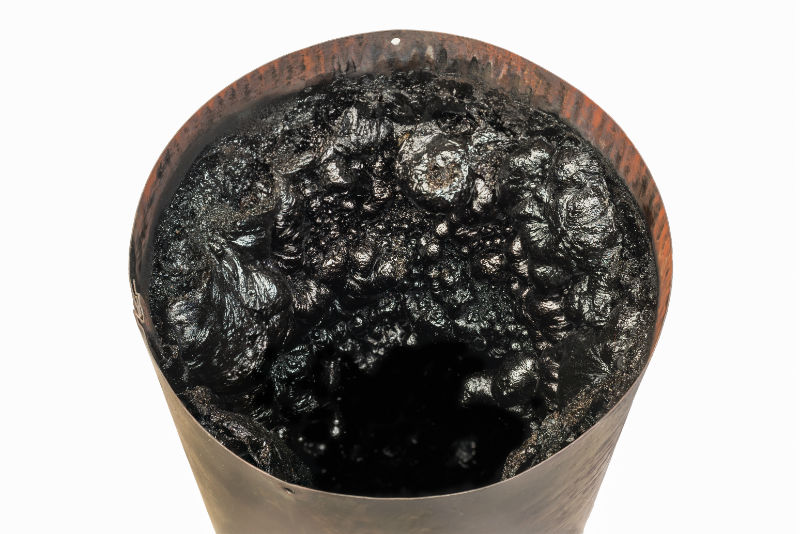
As smoke from your fireplace makes its way to the top of your chimney, it cools. As the smoke cools, it causes condensation of the chemicals and water vapor created when wood burns. The substance left sticking to your walls is creosote. All forms of creosote — whether black or brown, sticky or shiny, hard or tar like — can be found sticking to the insides of most chimneys.
Why is creosote dangerous?
As little as a quarter inch of creosote buildup on the walls of your chimney can be dangerous, putting your home at risk of a chimney fire. Highly combustible, creosote can burst into flames if it is touched by a stray spark from your fireplace, or if chimney temperatures exceed 1,000 degrees. If creosote builds up enough in your chimney, it also can prevent the gases created by the fireplace from exiting your home, which can force dangerous carbon monoxide back into your home.
How can I avoid the dangers of creosote?
Using the right wood in your fireplace can slow the buildup of creosote in your chimney. Only burn dry hardwoods that have been seasoned for a minimum of six months. When wood is improperly seasoned and contains moisture, it produces more water vapor when burned and burns at a cooler temperature, which causes the formation of creosote. Make sure that your fire is large enough for your fireplace. If your logs are too small, the fire won’t burn hot enough for your chimney. Your flue also should be fully opened when you’re burning a fire, as a partially closed flue will cause smoke to remain in your flue longer, encouraging creosote buildup.
Of course, the best way to keep your home safe from a creosote fire is to have your chimney swept and inspected each year by a certified chimney sweep. Your chimney sweep will make sure that your chimney is entirely creosote free. During the sweep’s inspection, he also will make sure your chimney does not show any signs of damage from a past creosote fire, which can weaken your chimney and put your home at danger for a future fire.
If you’re overdue for a chimney sweeping and inspection, don’t wait! Putting off your chimney sweeping puts your home and family in danger of a creosote-caused chimney fire or carbon monoxide poisoning. Call the certified sweeps at Billy Sweet to have your chimney ready for the fire-burning season.
by Billy Sweet | Dec 13, 2015 | Winter Storm Fireplace
In Boston, we are used to heavy snowstorms and blizzards during the winter. In January and February of 2015, we experienced a blizzard that lasted over six weeks and dumped a record 108.6 inches of snow in our area. Even though long-time residents know how to be ready for these types of storms, Billy Sweet Chimney Sweep would like to remind you of how you can prepare your fireplace so that you will not have to worry about being without heat when the power goes out during a blizzard.
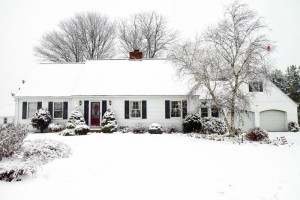
Schedule a professional chimney sweeping and inspection before winter arrives.
This maintenance task will take care of removing all of the accumulated creosote from the inner walls of your chimney, which increases fireplace safety and reduces fire hazards. During the inspection, our Chimney Safety Institute of America (CSIA)-certified chimney sweeps will examine the condition of your fireplace and chimney to be sure everything is working safely. If we find any damage, we will make recommendations of the repairs that are necessary for you to use your fireplace safely.
Check the gaskets to see if they need to be repaired or replaced.
You want to ensure that the gaskets on your fireplace doors, damper, and ash dump are providing an effective seal. According to Cabin Living, without a proper seal, too much air can leak into the firebox and cause overfire and permanent damage to your fireplace.
Have the blower cleaned.
If your fireplace is equipped with a blower, you should clean off the dust and dirt from it to protect the balance of the blower. When the blower has too much dust accumulation on its blades, the balance can change and cause the bearings to wear out prematurely. Your fireplace blower typically will not have a filter to keep dust off, so you need to check it regularly to be sure it is clean.
Replace broken or deteriorated bricks in the lining.
When the brick lining is so damaged that it has deteriorated so much that the steel body of the firebox is exposed, the high temperatures can lead to permanent damage. Be sure the bricks are in good shape so you will not have to worry about damage occurring that could make your fireplace unsafe.
Billy Sweet Chimney Sweep is here to help you prepare your fireplace for dangerous storms this winter. Contact us to schedule an appointment for a chimney sweeping and inspection so that you can stay warm and safe this winter.
by Billy Sweet | Nov 28, 2015 | Freeze Thaw Cycle
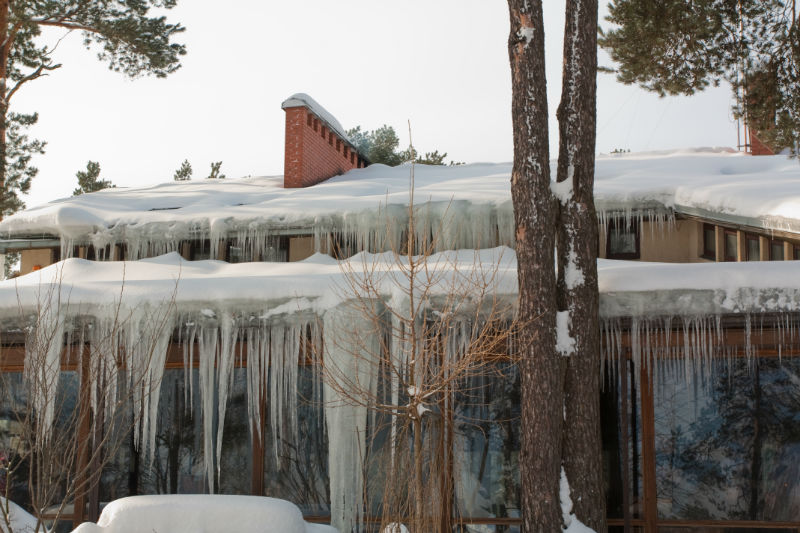
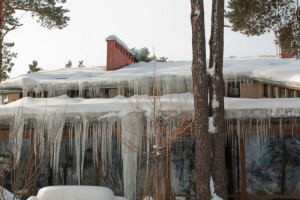
You’re likely familiar with the damage the freeze-thaw cycle can do to the roadways; it’s what causes pot holes to appear each year! Water makes its way into the tiny cracks in concrete, asphalt, or stone. When the temperature drops, that water freezes and expands, causing the concrete, asphalt, or stone to crack or crumble. If you have a home with a masonry chimney, you should be aware that the freeze-thaw cycle can cause the same damage to your chimney’s bricks, concrete, and mortar.
Water damage and your chimney
Water can cause many problems with your chimney. The freeze-thaw cycle can cause the mortar between your chimney to crumble; it can cause parts of your brick to flake off, which is referred to as spalling; and it can cause your chimney crown to crack and crumble. Over time, if water damage goes unaddressed, it can mean major problems for your chimney. Your chimney’s overall structure can fail, causing it to lean and become unsafe. A damaged chimney also will let water into the rest of your home, leading to water stains on your ceiling and walls, rotting wood on adjacent structures, collapsed hearth support, a damaged firebox, rusted fireplace accessories, and failing hearth structure.
Repairing water damage
The first step in repairing water damage is to find that damage. This is one reason your annual chimney inspection is so important. Your certified chimney technician can find signs of damage early, so that it can be repaired before minor water damage becomes major water damage. In many cases, it will take the work of expert masons, like those at Billy Sweet Chimney Sweep to repair your chimney’s water damage. We provide services such as tuckpointing, chimney crown repair and replacement, and removing and replacing spalling bricks.
Preventing water damage
When it comes to water damage and your chimney, an ounce of prevention is worth a pound of cure! Taking steps to prevent chimney damage now can save you from costly repairs later. Having a chimney cap installed atop your flue can help keep water from running down the interior walls of your chimney. Repairing a damaged chimney crown will keep water from running down the exterior sides of your chimney. It’s important to make sure the flashing around your chimney is secure, and if your chimney is located on a part of your roof that experiences a lot of rainwater or snow, a cricket — a tent-shaped piece of metal — can be installed to divert water away from the chimney. There also are waterproofing sealants that can be applied to your chimney. Those sealants keep water from seeping into your chimney’s masonry while still allowing your chimney to expel the gases created by your fires.
Ultimately, the key to protecting your chimney from water damage is working with your certified chimney sweep to make sure that any problems are caught and addressed early before you have major chimney damage. If you’re overdue for an inspection, or if you’ve noticed cracking masonry on your chimney, call the experts at Billy Sweet today. We also can talk to you about waterproofing applications to protect your chimney.